
Introduction
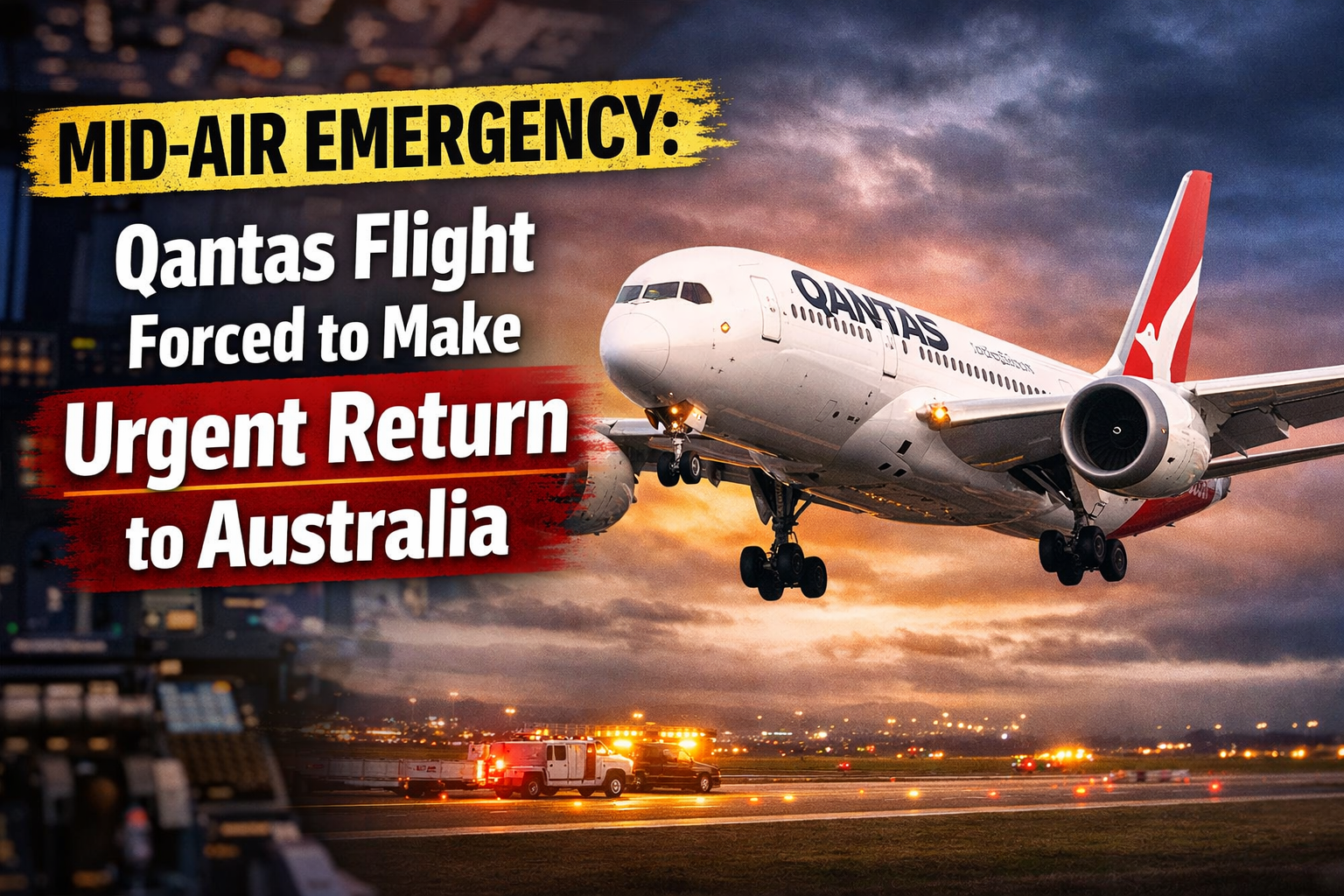
Mid-Air Emergency: Air travel is widely considered one of the safest forms of transportation in the world. However, unexpected situations can occur even with the most advanced aircraft and experienced flight crews. Recently, a Qantas flight was forced to make an emergency return to Australia, sparking widespread interest among travelers, aviation experts, and media outlets.
The incident highlights the importance of strict aviation safety protocols and the quick decision-making abilities of pilots and airline operations teams. While emergency returns are relatively rare, they demonstrate how airlines prioritize passenger safety above all else.
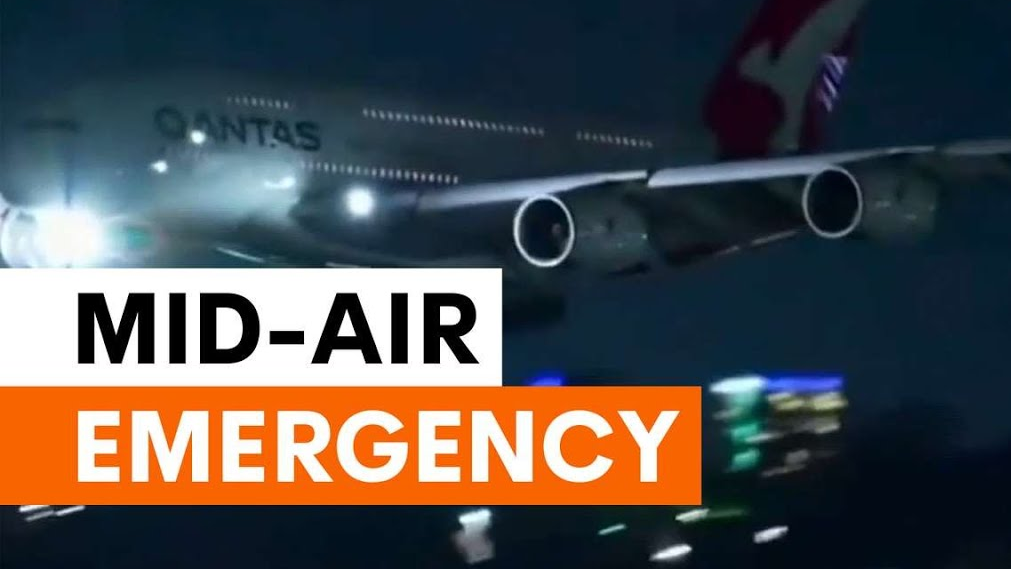
In this article, we’ll take an in-depth look at the Qantas flight emergency return, explore the possible causes, discuss how emergency procedures work in aviation, and explain what passengers should know about such incidents. This comprehensive guide will also analyze the broader implications for airline safety and traveler confidence.
Overview of the Qantas Emergency Flight Return
What Happened on the Qantas Flight?
A Qantas aircraft departing from Australia was forced to turn back shortly after takeoff due to a technical issue detected mid-flight. According to airline officials, the pilots identified a potential problem and followed standard safety protocols by returning the aircraft to its departure airport.
Emergency returns are often precautionary measures rather than immediate life-threatening situations. Modern aircraft systems constantly monitor performance, and when irregularities appear, pilots are trained to act quickly.
Passengers onboard the flight reported that the aircraft landed safely after circling for some time to manage fuel levels before landing.
Immediate Actions Taken by the Flight Crew
The pilots and cabin crew followed strict aviation safety procedures:
- Communicated the issue with air traffic control
- Declared a precautionary or emergency return
- Prepared passengers for landing
- Coordinated with ground emergency services
Emergency crews were placed on standby as a precaution, which is standard practice during such situations.
About Qantas Airways
A Brief History of Qantas
Qantas Airways is the flag carrier airline of Australia and one of the world’s oldest continuously operating airlines. Founded in 1920, Qantas has built a strong reputation for safety, reliability, and innovation in aviation.
The airline operates an extensive international and domestic network connecting Australia with major destinations worldwide.
Key Facts About Qantas
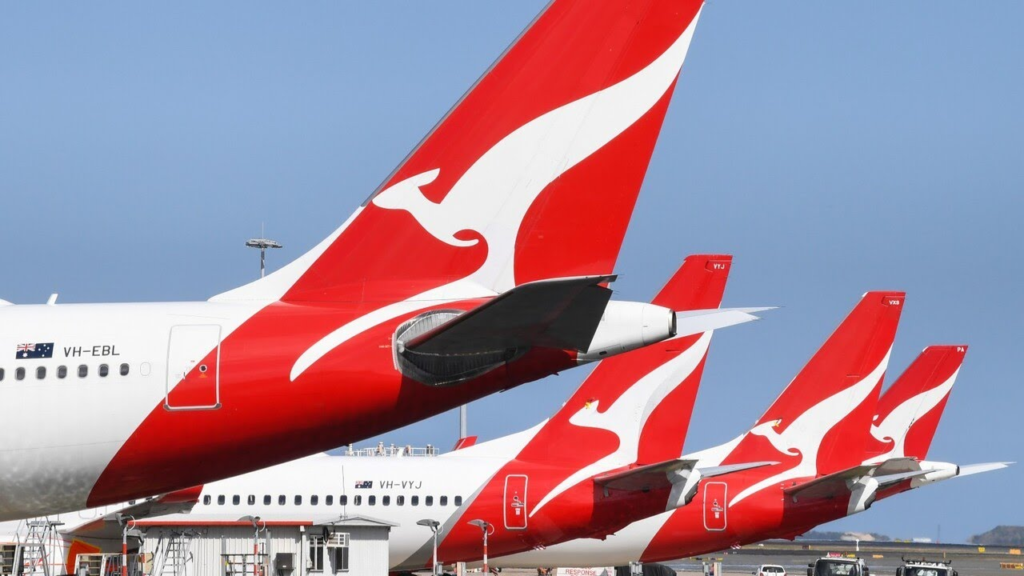
- Founded: 1920
- Headquarters: Mascot, New South Wales, Australia
- Fleet size: Over 120 aircraft
- Major hubs: Sydney, Melbourne, Brisbane
Qantas is often ranked among the safest airlines in the world, thanks to its rigorous maintenance programs and operational standards.
Common Reasons Flights Make Emergency Returns
Emergency returns are not always dramatic events. Airlines may choose to return to the departure airport for several reasons.
1. Mechanical or Technical Issues
Aircraft are complex machines with thousands of components. Even minor technical irregularities can trigger precautionary measures.
Examples include:
- Hydraulic system warnings
- Engine sensor alerts
- Electrical system faults
- Navigation system irregularities
Pilots follow strict procedures when such warnings appear.
2. Medical Emergencies
Sometimes flights return because a passenger or crew member requires urgent medical attention.
In such cases:
- Cabin crew administer first aid
- Doctors onboard may assist
- Pilots divert or return to the nearest airport
3. Cabin Pressure Issues
Maintaining proper cabin pressure is critical for passenger comfort and safety. If the system detects a problem, the aircraft may return or divert.
4. Weather Conditions
Sudden weather changes such as storms or strong crosswinds can force pilots to alter their flight plan.
5. Bird Strikes
Bird strikes are relatively common during takeoff and landing. If a strike occurs, pilots may return for inspection.
How Pilots Handle Emergency Situations
Pilot Training for Emergencies
Airline pilots undergo extensive simulator training to handle every possible emergency scenario.
Training includes:
- Engine failure
- Cabin depressurization
- Electrical system failures
- Navigation malfunctions
Pilots practice these scenarios regularly to ensure they respond effectively under pressure.
Communication With Air Traffic Control
When an issue occurs, pilots immediately inform air traffic control (ATC). Controllers assist by:
- Clearing airspace
- Prioritizing the aircraft for landing
- Coordinating emergency services
This collaboration ensures a safe and organized response.
Safety Systems in Modern Aircraft
Modern aircraft include multiple redundant systems designed to prevent catastrophic failures.
Advanced Monitoring Technology
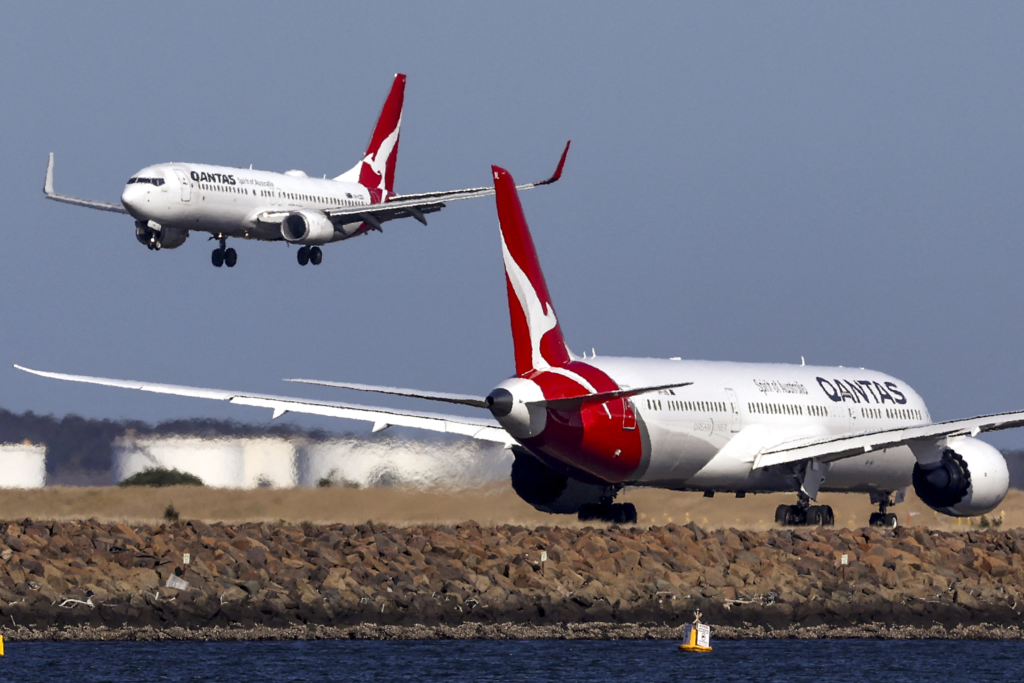
Aircraft continuously monitor:
- Engine performance
- Fuel systems
- Hydraulic pressure
- Electrical systems
If a sensor detects irregular behavior, alerts appear in the cockpit.
Backup Systems
Most aircraft components have backup systems. For example:
- Multiple hydraulic systems
- Backup flight computers
- Redundant navigation equipment
These systems ensure that even if one component fails, the aircraft can continue operating safely.
Passenger Experience During an Emergency Return
Passengers on the Qantas flight reported that the situation was handled calmly and professionally.
What Passengers Usually Experience
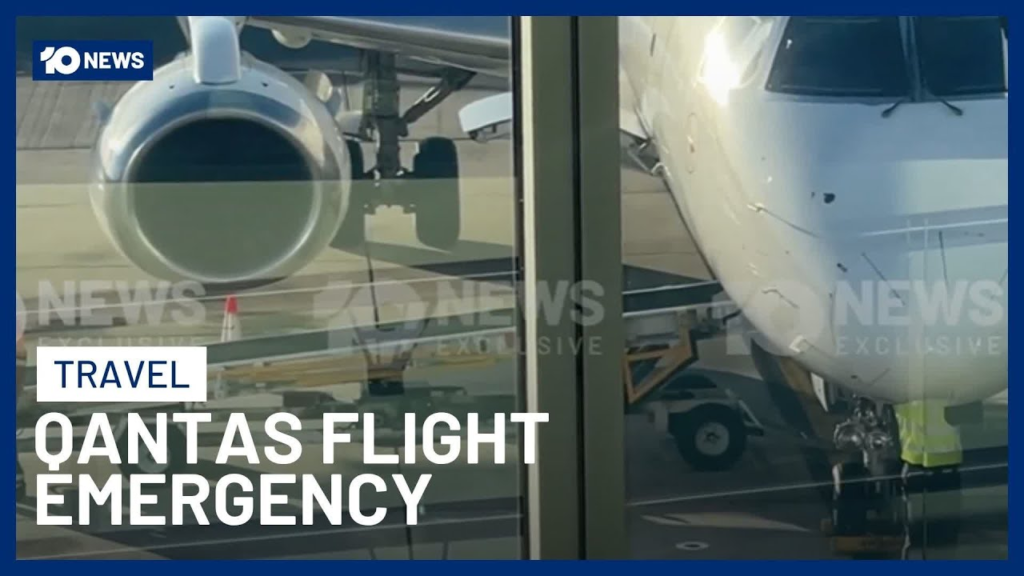
In most emergency return situations, passengers may notice:
- Aircraft circling before landing
- Announcements from the captain
- Emergency vehicles near the runway
However, flights typically land safely without further complications.
How Cabin Crew Assist Passengers
Cabin crew members are trained to:
- Keep passengers calm
- Provide safety instructions
- Prepare the cabin for landing
- Assist passengers after landing
Their training ensures passengers remain informed and reassured.
Aviation Safety Statistics
Air travel remains extremely safe compared to other transportation methods.
According to global aviation safety reports:
- Millions of flights operate safely each year
- Serious incidents are extremely rare
- Emergency returns usually end without injuries
Airlines like Qantas follow strict safety regulations set by aviation authorities worldwide.
Investigation After the Incident
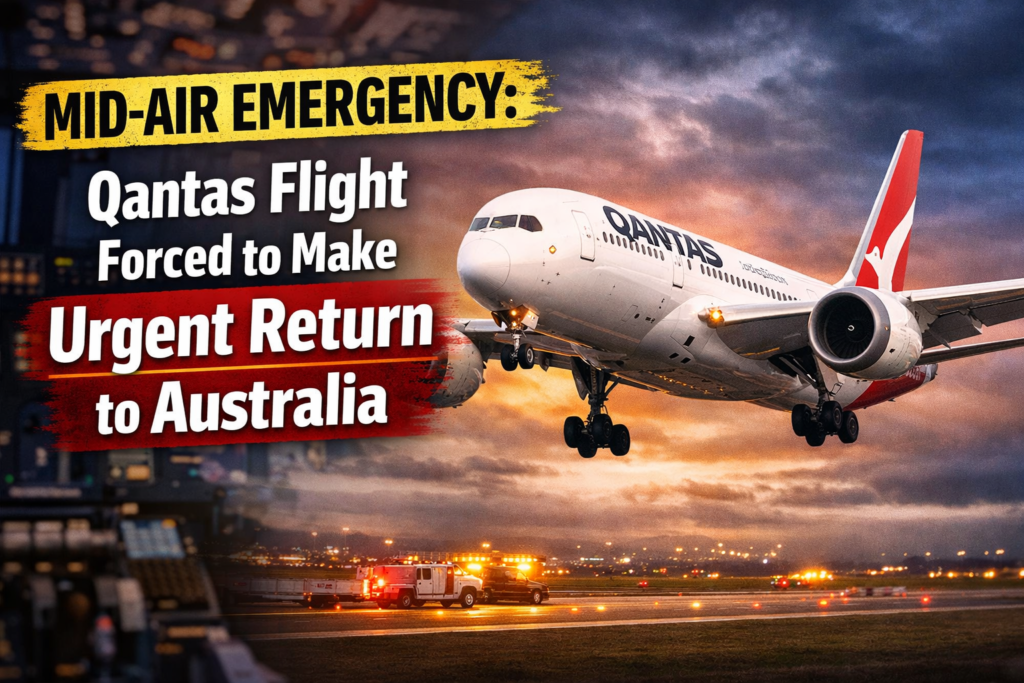
Whenever an emergency return occurs, airlines conduct thorough inspections and investigations.
Aircraft Inspection
Engineers examine the aircraft to determine:
- What triggered the alert
- Whether parts need replacement
- If maintenance procedures need adjustment
Data Analysis
Flight data recorders and system logs are reviewed to understand the sequence of events.
These investigations help prevent similar issues in the future.
Impact on Airline Operations
Emergency returns can disrupt airline schedules and cause delays.
Flight Delays and Passenger Rebooking
Passengers from the affected Qantas flight may experience:
- Flight delays
- Rebooking on other aircraft
- Accommodation if necessary
Airlines typically assist passengers with alternative travel arrangements.
Operational Costs
Emergency returns also involve costs such as:
- Fuel dumping or holding patterns
- Maintenance inspections
- Passenger compensation
Despite these costs, safety always remains the top priority.
Public Reaction to the Qantas Emergency Return
News of the incident quickly spread across social media and news platforms. However, aviation experts emphasized that such precautionary returns demonstrate the effectiveness of safety protocols rather than a failure of the system.
Passengers often praise flight crews for their professionalism in handling these situations.
Why Emergency Returns Are a Positive Safety Sign
Although the term “emergency” may sound alarming, it often reflects a preventive safety measure.
Airlines prefer to return or divert rather than risk continuing a flight with potential technical concerns.
This cautious approach is one reason aviation has become incredibly safe.
Tips for Passengers During Flight Emergencies
Travelers can stay calm and prepared by following basic safety advice.
1. Pay Attention to Safety Briefings
Even frequent flyers should listen to safety instructions before takeoff.
2. Follow Crew Instructions
Cabin crew are trained professionals who guide passengers during unusual situations.
3. Remain Calm
Most emergency returns are precautionary and end safely.
4. Keep Seatbelts Fastened
Keeping your seatbelt fastened while seated helps prevent injuries during unexpected turbulence.
Lessons Learned From the Qantas Flight Incident
This incident reinforces several key lessons about aviation safety:
- Early detection systems are highly effective
- Pilot training ensures quick decision-making
- Safety procedures prioritize passenger protection
- Airlines maintain strict maintenance standards
The successful return of the aircraft demonstrates how aviation systems are designed to manage unexpected events safely.
The Future of Airline Safety
Technology continues to improve aviation safety.
Future advancements may include:
- Artificial intelligence for aircraft monitoring
- Predictive maintenance systems
- More advanced cockpit automation
- Improved air traffic management systems
These innovations aim to further reduce the likelihood of technical issues during flights.
Conclusion
The Qantas flight forced to make an emergency return to Australia serves as an important reminder of how aviation safety systems work in real time. Although the situation may sound dramatic, such precautionary returns are a sign that pilots and airlines are prioritizing passenger safety above all else.
Thanks to advanced aircraft technology, rigorous pilot training, and strict maintenance standards, the flight landed safely without incident. Airlines like Qantas continue to demonstrate why commercial aviation remains one of the safest modes of transportation in the world.
For passengers, the key takeaway is reassurance: emergency procedures exist precisely to protect everyone onboard. When airlines act quickly and responsibly, they help maintain the high safety standards that modern aviation depends on.
FAQs
1. Why was the Qantas flight forced to return to Australia?
The Qantas Airways flight returned to Australia after pilots detected a technical issue during the flight. As a precautionary measure, the crew followed standard aviation safety procedures and decided to return to the departure airport to ensure passenger safety.
2. Did the Qantas flight land safely?
Yes, the aircraft landed safely after the pilots coordinated with air traffic control and prepared the aircraft for a precautionary landing. Emergency services were present at the airport as part of routine safety procedures.
3. Were any passengers injured during the incident?
No injuries were reported during the emergency return. Passengers remained calm while the flight crew managed the situation professionally and ensured a safe landing.