
Introduction
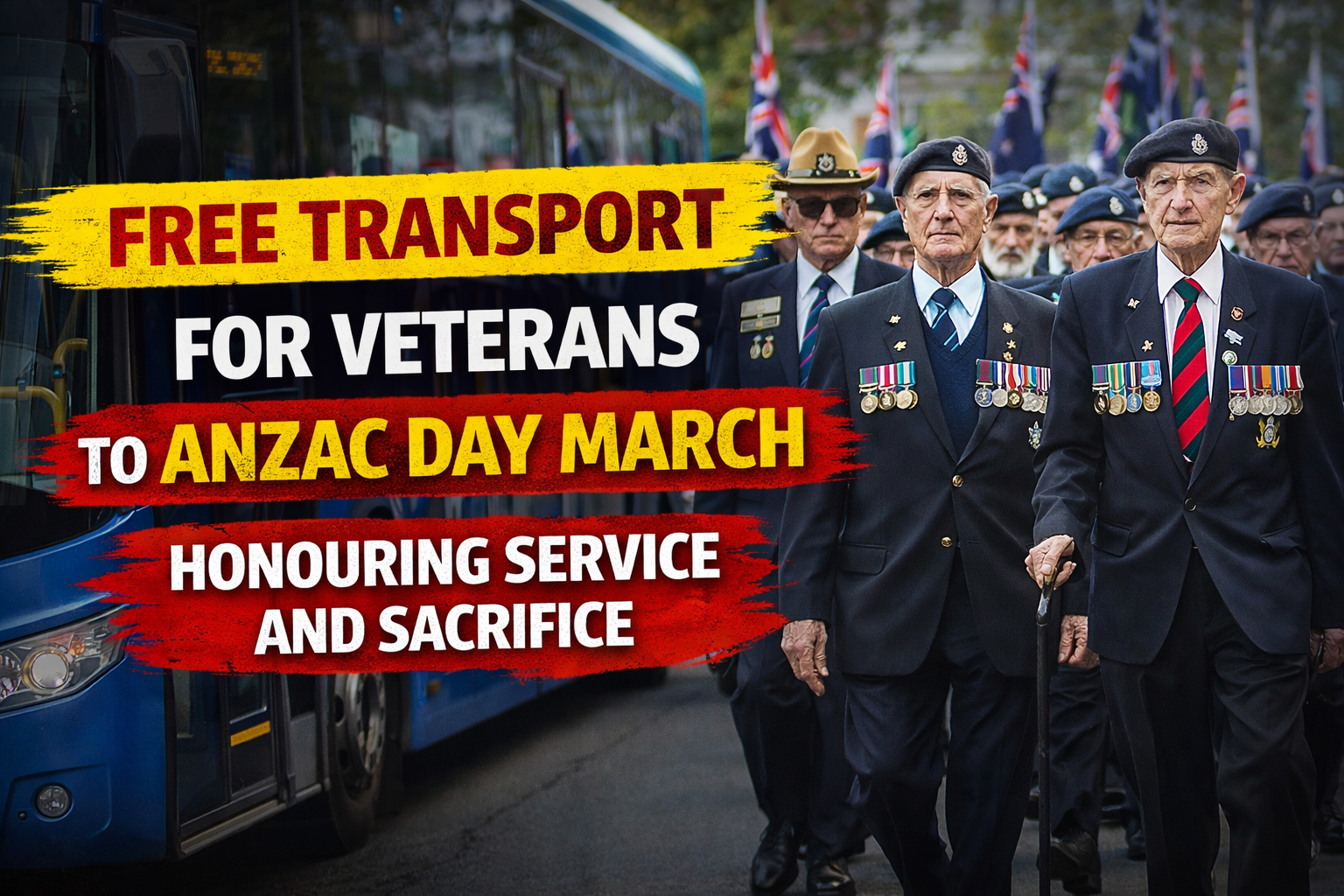
Supporting Our Heroes: Each year, Australians gather across the country to commemorate the courage and sacrifice of servicemen and women during Anzac Day. One of the most powerful traditions associated with the day is the Anzac Day March, where veterans walk proudly through city streets as a symbol of remembrance, unity, and respect.

To ensure that veterans can participate in this important national tradition, governments and transport authorities across Australia often provide free public transport for veterans attending commemorative events. This initiative ensures that those who served their country can travel easily to ceremonies and marches without financial or logistical barriers.
Providing free transport is not just a practical gesture; it represents the nation’s gratitude for the sacrifices made by members of the Australian Defence Force and their families.
In this article, we explore how free transport for veterans works, why it matters, and how it supports the spirit of remembrance during Anzac Day commemorations.
Understanding the Significance of Anzac Day
A Day of National Remembrance
Anzac Day, observed annually on April 25, commemorates the service and sacrifice of Australian and New Zealand soldiers who served in wars, conflicts, and peacekeeping operations.
The day marks the anniversary of the Gallipoli Campaign during World War I, when troops from the Australian and New Zealand Army Corps landed on the Gallipoli Peninsula in 1915.
Although the campaign ultimately failed militarily, it became a defining moment in Australian and New Zealand national identity, symbolizing courage, resilience, and mateship.
Today, Anzac Day honours all Australians who have served in the armed forces.
The Tradition of the Anzac Day March
Honouring Veterans Through Public Commemoration
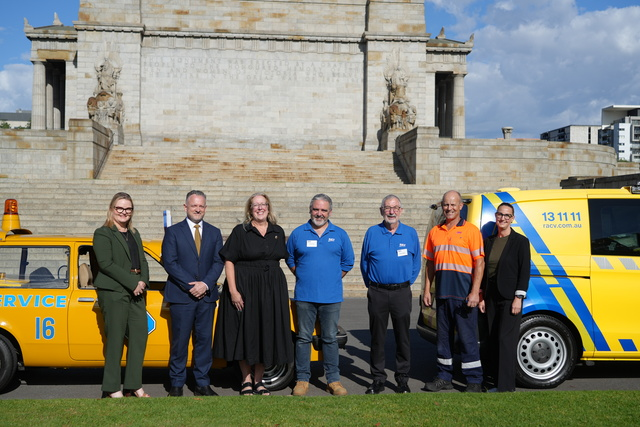
One of the most powerful traditions of Anzac Day is the Anzac Day March.
During the march, veterans, current service members, and sometimes their descendants walk through city streets to pay tribute to those who served and those who lost their lives.
The marches take place in major cities such as:
- Sydney
- Melbourne
- Brisbane
- Canberra
- Perth
Thousands of spectators line the streets each year to show their respect and gratitude.
Why Free Transport for Veterans Matters
Removing Barriers to Participation
Attending Anzac Day commemorations can be challenging for some veterans, particularly those who are elderly or living on fixed incomes.
Providing free transport helps ensure that all veterans have the opportunity to attend ceremonies and marches without worrying about travel costs.
This initiative demonstrates the nation’s commitment to honoring the contributions of its military personnel.
For many veterans, attending the march is a deeply meaningful experience that allows them to reconnect with fellow service members and remember fallen comrades.
Who Qualifies for Free Transport
Eligibility for Veterans and Service Members
Free transport for Anzac Day events is typically available to:
- Veterans of the Australian Defence Force
- Current service members
- War widows and widowers
- Sometimes accompanying carers or family members
Eligibility requirements can vary slightly between states and transport authorities.
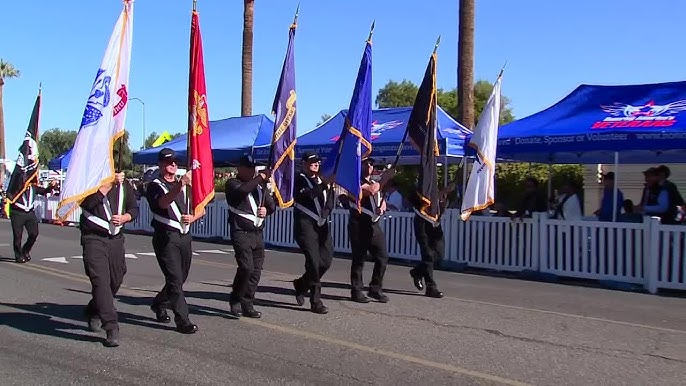
Many programs require veterans to carry identification such as a service medal, veteran card, or military uniform.
Types of Free Transport Offered
Public Transport Options Available
Veterans attending Anzac Day commemorations may receive free access to various public transport services.
These often include:
Trains
Major metropolitan rail networks often provide free travel for veterans to and from commemorative events.
Buses
Local bus services may allow veterans to travel without paying fares on Anzac Day.
Ferries
In cities with ferry networks, veterans may also receive complimentary ferry travel to reach commemorations near waterfront areas.
These transport services help ensure that veterans can reach ceremonies safely and comfortably.
Supporting Veterans Through Community Initiatives
Collaboration Between Government and Transport Authorities
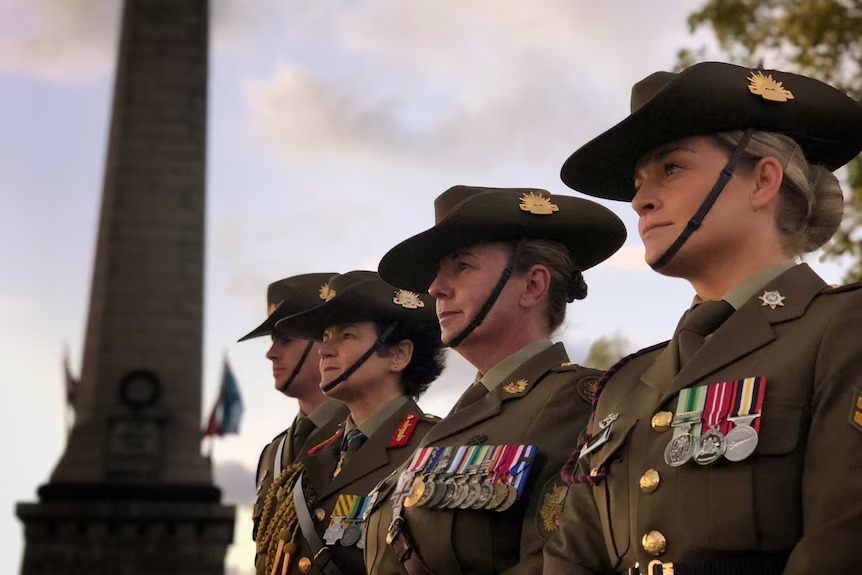
Free transport initiatives are usually organized through partnerships between government agencies and public transport providers.
Transport authorities often coordinate special services to accommodate the large number of people attending ceremonies.
In addition, volunteers and staff may be present to assist veterans with directions, seating, and accessibility needs.
These collaborative efforts ensure that commemorative events run smoothly and respectfully.
Accessibility for Older Veterans
Ensuring Safe and Comfortable Travel
Many veterans who attend Anzac Day marches are elderly.
To support them, transport providers often implement special accessibility measures, including:
- Priority seating on public transport
- Assistance from staff and volunteers
- Accessible vehicles for passengers with mobility challenges
These accommodations help ensure that veterans can travel safely and comfortably.
The Role of Public Transport in National Commemorations
Encouraging Public Participation
While free transport primarily benefits veterans, it also encourages broader public participation in Anzac Day events.
Efficient transport networks help large crowds travel to ceremonies without causing traffic congestion.
This allows communities to gather in large numbers and show their appreciation for veterans.
Public transport therefore plays a crucial role in enabling nationwide commemorations.
Emotional Importance of the Anzac Day March
Remembering Shared Experiences
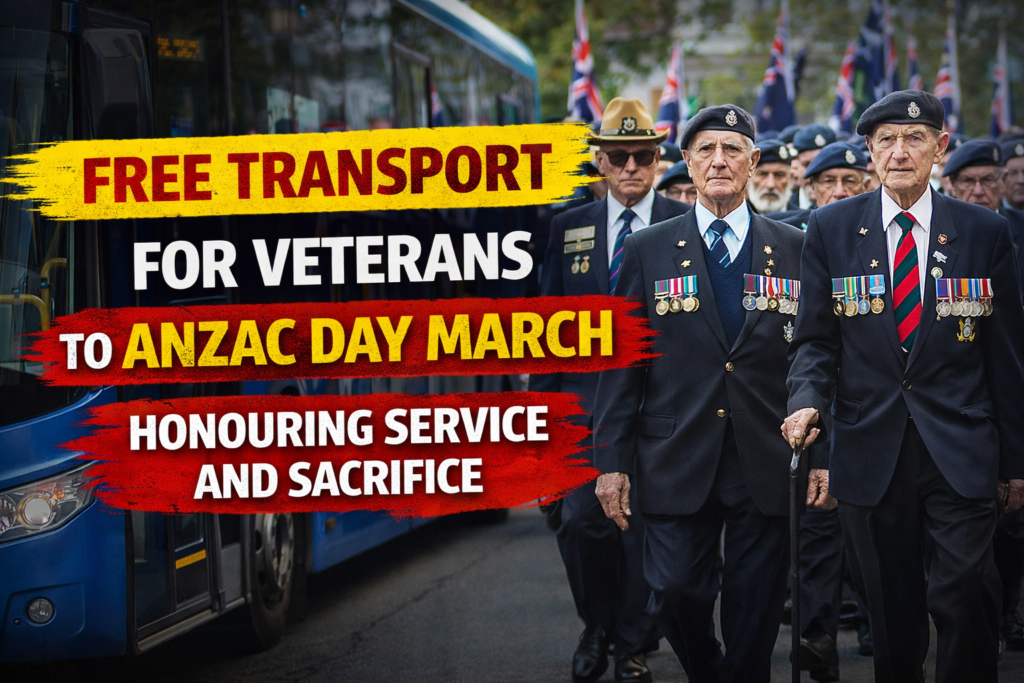
For many veterans, the Anzac Day March is a powerful moment of reflection.
Walking alongside fellow service members provides an opportunity to remember shared experiences and honour friends who never returned home.
The march also helps younger generations understand the realities of military service and the importance of peace.
By attending these events, veterans pass down their stories and preserve historical memory.
Education and Awareness
Teaching Future Generations
Events held on Anzac Day serve as important educational opportunities.
Schools, families, and communities participate in ceremonies to learn about the sacrifices made by soldiers throughout history.
Many young Australians attend marches and dawn services to gain a deeper understanding of the country’s military heritage.
These experiences help keep the spirit of remembrance alive.
The Symbolism of Anzac Day
Mateship, Courage, and Sacrifice
The traditions associated with Anzac Day reflect key values often associated with Australian identity.
These values include:
- Courage
- Mateship
- Sacrifice
- Resilience
The Anzac Day March is a powerful reminder of these qualities and the individuals who embodied them.
Community Support for Veterans
Public Appreciation and Respect
Australians show strong support for veterans during Anzac Day commemorations.
Crowds often applaud and cheer as veterans march through city streets, creating an atmosphere of gratitude and unity.
Many people also wear poppies or rosemary sprigs as symbols of remembrance.
These gestures demonstrate widespread respect for those who served.
Challenges Facing Veterans Today
Supporting Wellbeing and Recognition
While commemorative events honour military service, many veterans also face challenges after returning to civilian life.
These challenges can include:
- Physical injuries
- Mental health conditions
- Difficulties transitioning to civilian careers
Programs that support veterans, including transport initiatives, help demonstrate ongoing national commitment to their wellbeing.
Future of Anzac Day Commemorations
Adapting Traditions for New Generations
As time passes, the nature of Anzac Day commemorations continues to evolve.
Younger generations are increasingly involved in organizing and participating in remembrance activities.
Technology, education programs, and community initiatives are helping ensure that the legacy of the Anzacs remains relevant.
Providing free transport for veterans will likely remain an important part of these commemorations.
Conclusion
Providing free transport for veterans attending the Anzac Day March is a meaningful gesture that reflects Australia’s deep respect for those who served in the Australian Defence Force.
By removing financial and logistical barriers, this initiative ensures that veterans can participate fully in national commemorations and reconnect with their fellow service members.
As Australians gather each year to observe Anzac Day, the presence of veterans marching proudly through city streets reminds the nation of the sacrifices made in the pursuit of peace and freedom.
Free transport programs help ensure that these important traditions continue, allowing communities across the country to honour the courage and legacy of their servicemen and women.
FAQs
1. Do veterans get free transport on Anzac Day?
Yes, many transport providers across Australia offer free public transport for veterans on Anzac Day. This allows veterans to travel to and from commemorative services and marches without paying fares.
2. Who is eligible for free transport on Anzac Day?
Free transport is typically available to veterans who served in the Australian Defence Force, as well as current service members. In some cases, war widows, widowers, and carers accompanying veterans may also qualify.
3. What transport services are free for veterans on Anzac Day?
Veterans can usually travel free on several public transport options, including trains, buses, ferries, and light rail services depending on the state or city hosting the commemorations.