
Introduction
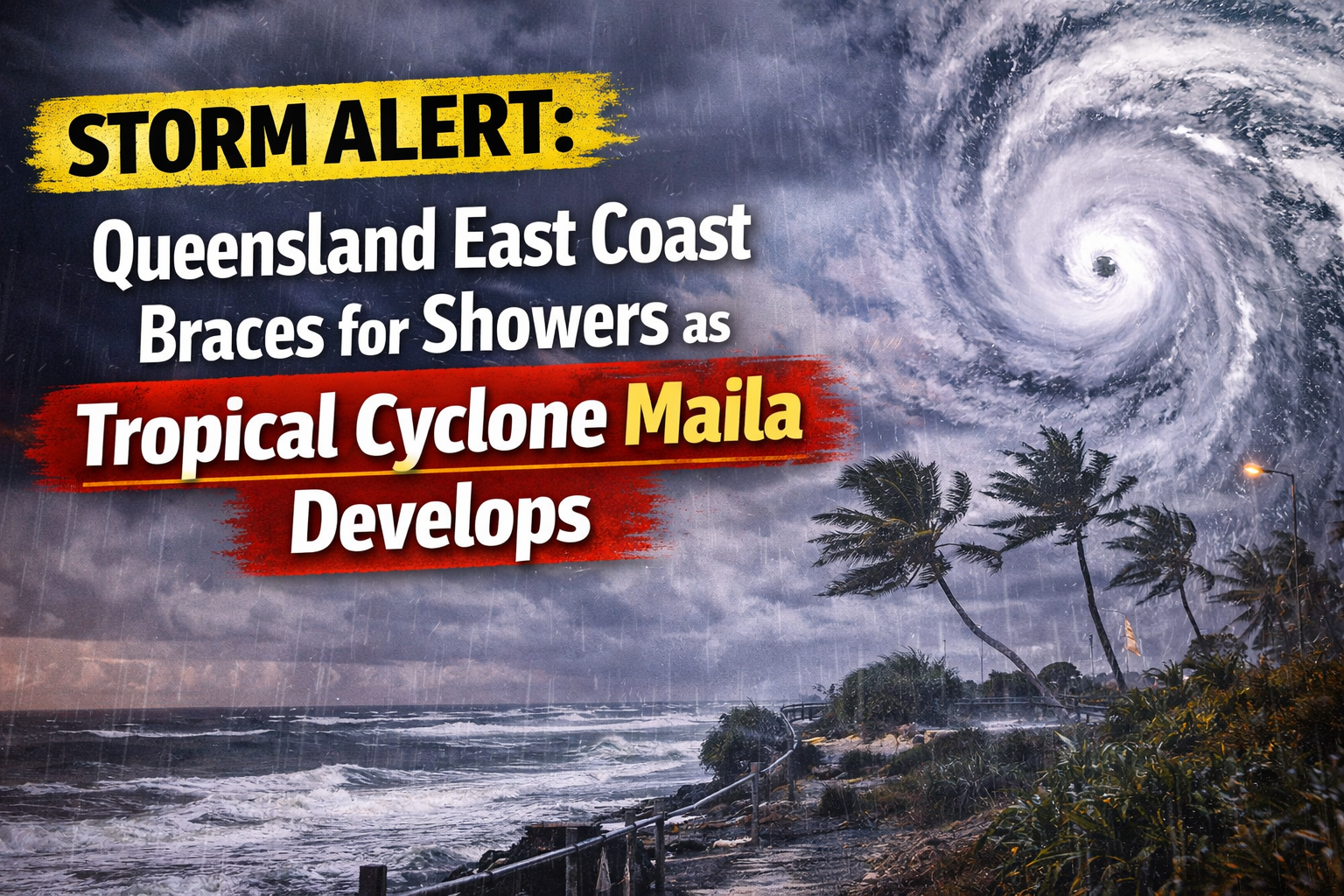
Storm Alert: Residents along Australia’s eastern coastline are preparing for increasing rainfall and potentially severe weather conditions as meteorologists closely monitor the development of Tropical Cyclone Maila in the Coral Sea. Weather experts have warned that the system could bring heavy showers, strong winds, and dangerous coastal conditions to parts of eastern Australia, particularly along the coast of Queensland.
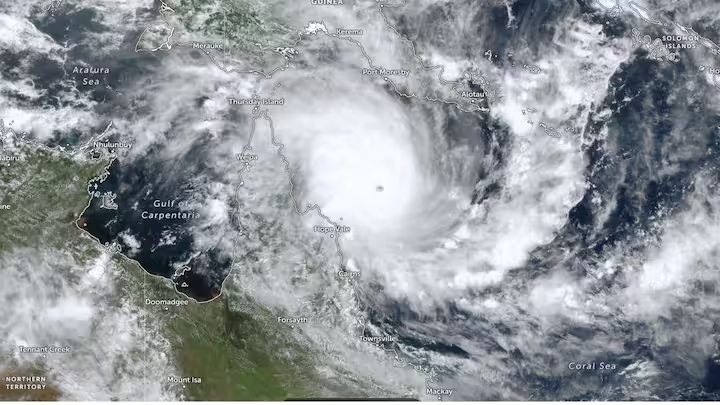
The approaching weather system has prompted authorities and meteorologists to issue alerts for communities across the region. While the cyclone’s exact path remains uncertain, forecasters are warning that rainfall bands and storm activity could impact large sections of the east coast over the coming days.
This article explores the latest updates on Tropical Cyclone Maila, its potential impact on Queensland’s east coast, weather forecasts, safety preparations, and what residents should expect as the situation evolves.
Understanding Tropical Cyclone Maila
What Is Tropical Cyclone Maila?
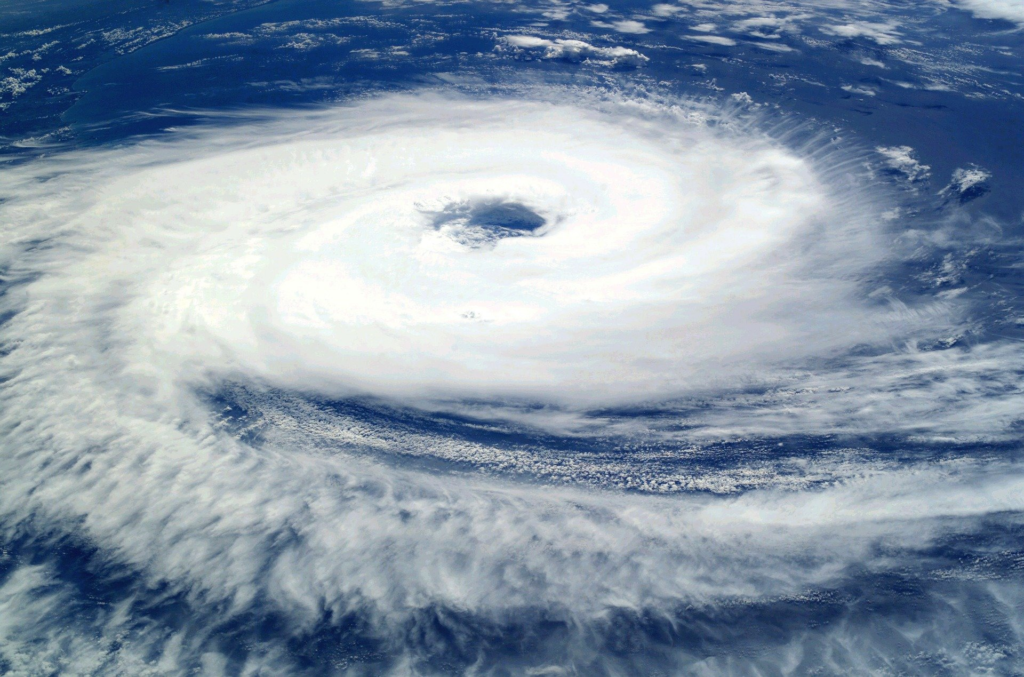
Tropical Cyclone Maila is a developing tropical weather system currently being monitored in the Coral Sea region near northeastern Australia. Tropical cyclones are powerful storm systems that form over warm ocean waters and are characterized by strong winds, heavy rainfall, and storm surges.
Meteorologists at the Australian Bureau of Meteorology are closely tracking the cyclone’s movement to determine whether it will intensify or move closer to Australia’s coastline.
Tropical cyclones often bring widespread rainfall, which can lead to flooding, coastal erosion, and dangerous marine conditions.
Showers Expected Along Queensland’s East Coast
Rainfall Forecast for Coastal Communities
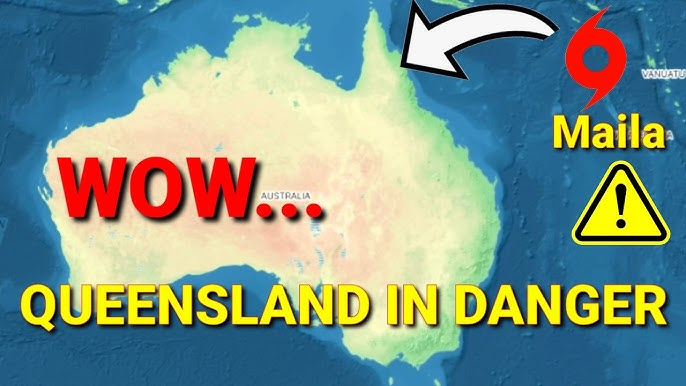
Weather forecasters predict increasing showers along the east coast of Queensland, particularly in coastal communities and nearby inland regions.
Areas most likely to experience rainfall include:
- Northern Queensland coastal areas
- Central Queensland coastline
- Southeast Queensland communities
Cities such as Brisbane, Townsville, and Cairns could experience intermittent showers and storm activity as moisture from the cyclone spreads across the region.
Rainfall amounts may vary depending on the cyclone’s track and strength.
Current Weather Patterns Affecting Queensland
Moisture Bands Moving Toward the Coast
Meteorologists report that moisture bands associated with Tropical Cyclone Maila are already moving toward eastern Australia. These bands can produce widespread cloud cover and rainfall even if the cyclone remains offshore.
This phenomenon is common with tropical systems, where outer rainbands extend hundreds of kilometers from the cyclone’s center.
The result is often prolonged rainfall over coastal regions.
Potential Impacts of Tropical Cyclone Maila
Heavy Rainfall and Localized Flooding
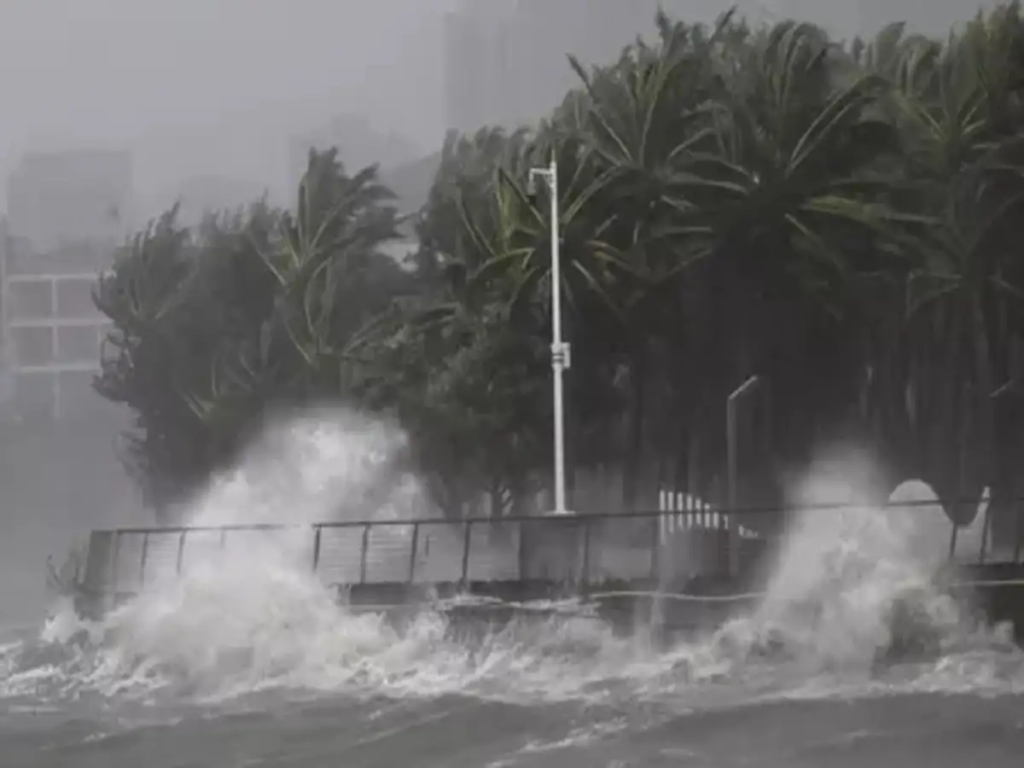
One of the primary concerns associated with tropical cyclones is intense rainfall.
In parts of Queensland, prolonged showers could lead to:
- Localized flooding in low-lying areas
- Rising river levels
- Water accumulation on roads
- Disruptions to transportation
Communities located near rivers and creeks are particularly vulnerable during periods of heavy rainfall.
Strong Winds and Rough Seas
Even if the cyclone remains offshore, coastal regions could experience gusty winds and dangerous sea conditions.
Potential marine hazards include:
- Large ocean swells
- Strong coastal winds
- Hazardous conditions for small vessels
- Increased risk of coastal erosion
Authorities often advise boat operators and fishermen to remain cautious during tropical weather events.
Regions Most Likely to Be Affected
Northern Queensland
Northern coastal areas near Cairns and surrounding communities are typically among the first regions impacted by tropical systems forming in the Coral Sea.
These areas frequently experience:
- Early rainfall bands
- Storm activity
- Strong winds
Central Queensland
Cities such as Rockhampton may also experience showers and increased cloud cover as the system develops.
Central Queensland often receives moderate rainfall and gusty winds during offshore cyclone events.
Southeast Queensland
Major population centers like Brisbane could see scattered showers and thunderstorms if the cyclone moves southward or interacts with existing weather systems.
However, the severity of weather conditions in this region will depend on the cyclone’s trajectory.
Role of the Australian Bureau of Meteorology
Monitoring Tropical Cyclone Maila
The Australian Bureau of Meteorology plays a critical role in monitoring tropical cyclones affecting Australia.
Meteorologists use advanced technology to track storms, including:
- Satellite imagery
- Ocean buoy data
- Radar systems
- Computer weather models
These tools allow experts to predict the cyclone’s path and provide early warnings.
Issuing Weather Warnings
When a tropical cyclone threatens populated areas, the Bureau of Meteorology may issue:
- Severe weather warnings
- Tropical cyclone alerts
- Flood watches
- Marine wind warnings
These alerts help communities prepare for changing weather conditions.
Why Queensland Is Vulnerable to Tropical Cyclones
Geographic Location
Queensland is particularly vulnerable to tropical cyclones because of its location along the warm waters of the Coral Sea and the South Pacific Ocean.
Warm ocean temperatures provide the energy needed for cyclones to form and strengthen.
Cyclone Season in Australia
Australia’s tropical cyclone season typically runs from:
November to April
During this period, weather conditions in northern Australia become favorable for cyclone formation.
Queensland frequently experiences tropical storms during this season.
Historical Cyclones Affecting Queensland
Over the years, Queensland has experienced several powerful tropical cyclones that caused significant rainfall and damage.
Some notable examples include:
- Cyclone Yasi (2011)
- Cyclone Debbie (2017)
- Cyclone Ita (2014)
These storms brought intense winds, flooding, and widespread disruptions across the state.
Although every cyclone behaves differently, they serve as reminders of the importance of preparedness.
Preparedness Measures for Residents
Stay Updated With Weather Forecasts
Residents should monitor updates from the Australian Bureau of Meteorology and local authorities.
Weather forecasts can change rapidly during tropical cyclone events.
Reliable sources include:
- Official weather websites
- Emergency alert systems
- Local news outlets
Prepare Emergency Supplies
Households are encouraged to prepare essential supplies in case severe weather occurs.
Recommended items include:
- Drinking water
- Non-perishable food
- Flashlights
- Batteries
- First aid kits
- Mobile phone chargers
These supplies can be helpful during power outages or flooding events.
Secure Outdoor Property
Strong winds and heavy rain can damage outdoor structures.
Residents should secure:
- Outdoor furniture
- Garden equipment
- Loose construction materials
Taking preventive measures can reduce property damage during storms.
Impact on Transportation and Travel
Air Travel Disruptions
Severe weather associated with tropical cyclones can affect flights at major airports including:
- Brisbane Airport
- Cairns Airport
Airlines may delay or cancel flights if weather conditions become unsafe.
Passengers should check flight status updates before traveling.
Road Safety Concerns
Heavy rainfall can create hazardous driving conditions.
Drivers should watch for:
- Flooded roads
- Reduced visibility
- Falling debris
- Slippery surfaces
Authorities recommend avoiding unnecessary travel during severe weather.
Environmental Effects of Tropical Cyclones
Impact on Coastal Ecosystems
Cyclones can significantly impact coastal environments.
Possible environmental effects include:
- Beach erosion
- Damage to coral reefs
- Changes in marine ecosystems
- Sediment movement along shorelines
However, cyclones can also help redistribute nutrients in marine environments.
Rainfall Benefits for Drought-Affected Areas
Although tropical cyclones can be destructive, they can also bring beneficial rainfall.
In drought-affected regions, heavy rain may help:
- Replenish reservoirs
- Restore soil moisture
- Improve agricultural conditions
Balanced rainfall can support farming and water resources.
Climate Change and Tropical Cyclones
Are Cyclones Becoming Stronger?
Scientists studying climate trends believe that warming ocean temperatures may influence tropical cyclone behavior.
Research suggests that climate change could lead to:
- Stronger storms
- Increased rainfall intensity
- Changing cyclone patterns
However, scientists continue to study how climate change affects cyclone frequency and intensity.
Community Response and Emergency Planning
Local governments across Queensland maintain emergency response plans to handle tropical cyclone threats.
Emergency services coordinate efforts such as:
- Evacuation planning
- Disaster relief operations
- Flood monitoring
- Public safety communication
Preparedness and quick response help reduce risks during severe weather events.
What to Expect in the Coming Days
Forecast Updates
Meteorologists expect increasing rainfall along Queensland’s east coast as moisture associated with Tropical Cyclone Maila moves closer to the region.
Weather forecasts will continue to evolve based on the cyclone’s path and intensity.
Possible scenarios include:
- Continued offshore movement with moderate rainfall
- Cyclone intensification leading to stronger winds
- Interaction with other weather systems producing widespread rain
Residents should stay alert for updated forecasts.
Conclusion
The developing weather system Tropical Cyclone Maila has drawn close attention from meteorologists and emergency officials as showers begin to spread along the east coast of Queensland.
While the cyclone’s exact trajectory remains uncertain, forecasters warn that heavy rainfall, gusty winds, and rough seas may affect coastal communities in the coming days. Authorities, including the Australian Bureau of Meteorology, continue to monitor the system closely and provide regular updates.
For residents and travelers, preparation and awareness are essential. By staying informed and following official safety advice, communities can better manage the potential impacts of tropical weather events.
As forecasts evolve, Australians along the Queensland coast will be watching closely to see how Tropical Cyclone Maila develops and what it means for the region’s weather in the days ahead.
FAQs
1. What is Tropical Cyclone Maila?
Tropical Cyclone Maila is a developing tropical weather system forming in the Coral Sea. Meteorologists are monitoring it closely as it could bring heavy rain, strong winds, and rough seas to parts of Australia’s east coast, especially Queensland.
2. Will Tropical Cyclone Maila hit Queensland?
Forecasters are still tracking the path of Tropical Cyclone Maila. While it may not directly make landfall, the system could still bring showers, thunderstorms, and gusty winds to the east coast of Queensland.
3. Which areas of Queensland may experience heavy rain?
Coastal regions of Queensland may see increased rainfall, including cities such as Brisbane, Cairns, and Townsville. Rainfall intensity will depend on the cyclone’s strength and direction.