
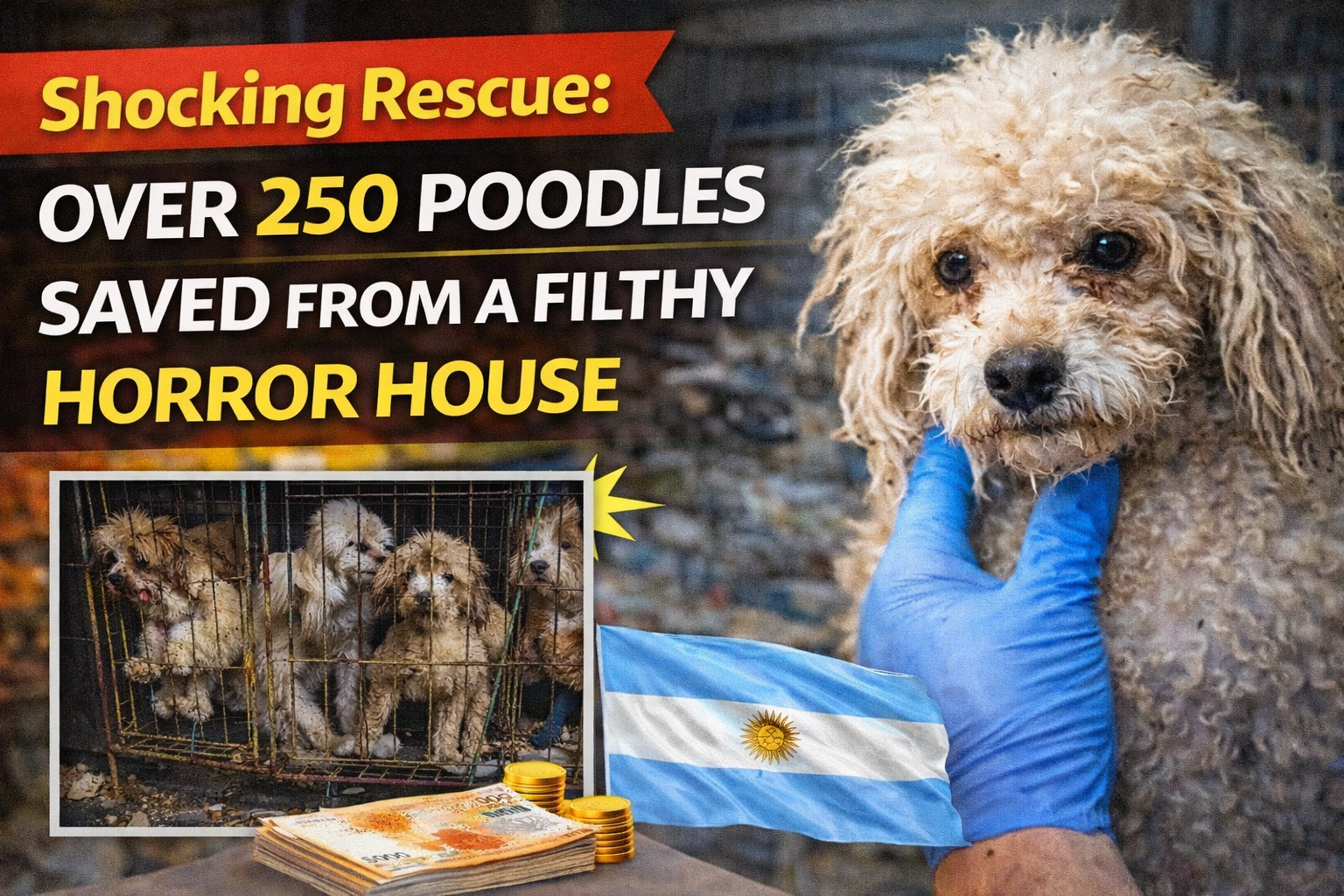
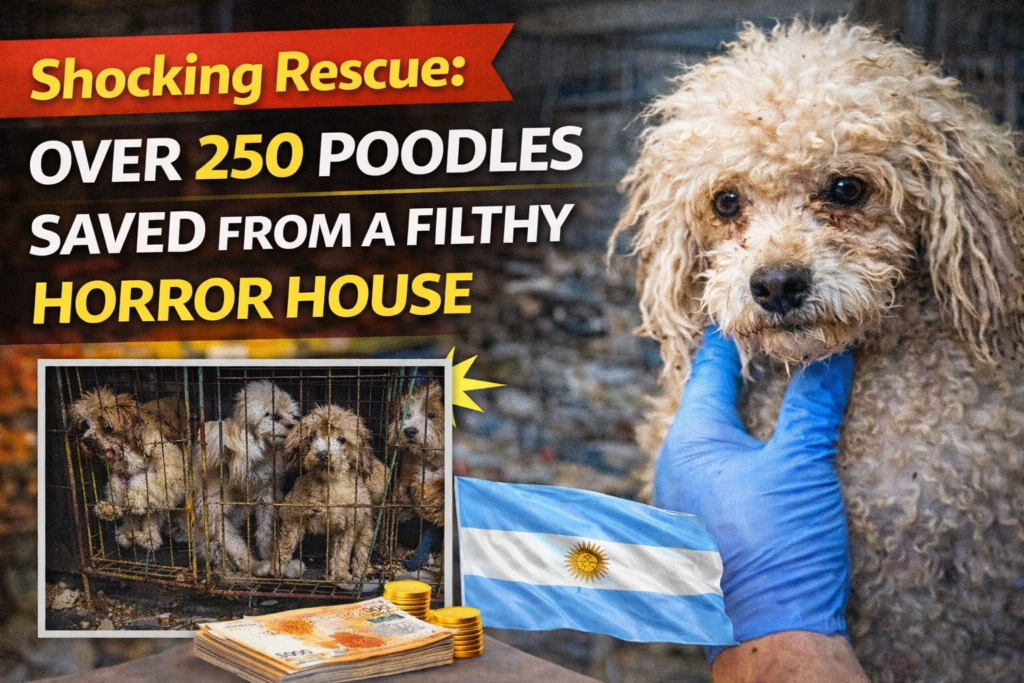
Shocking Rescue: In a shocking case of animal neglect, more than 250 poodles were rescued from a filthy and overcrowded home in what authorities are calling one of the largest dog rescue operations in recent years. Animal welfare officers discovered the dogs living in extreme squalor, cramped conditions, and without proper food, water, or veterinary care.
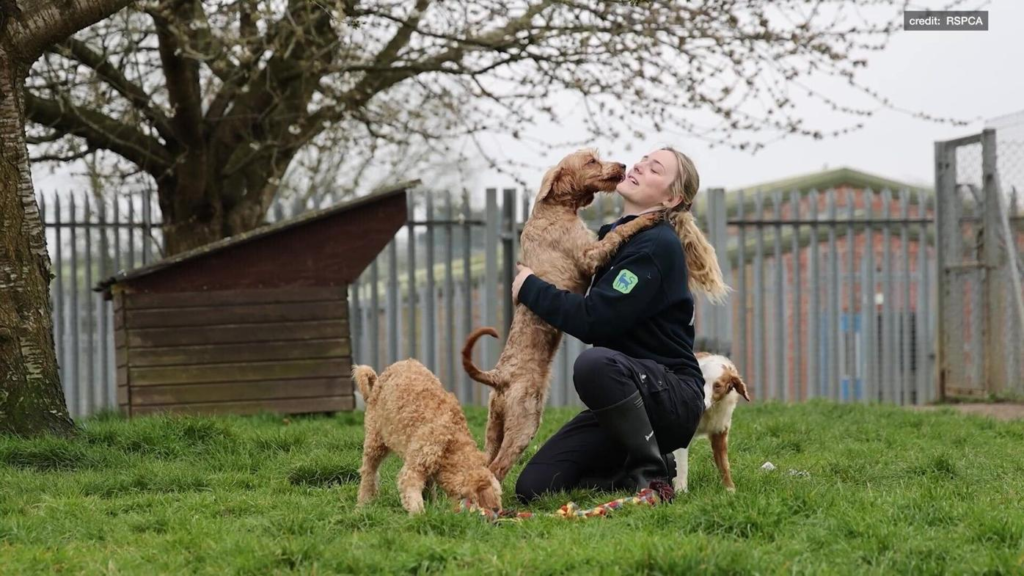
The rescue operation involved multiple animal welfare organizations, veterinarians, and volunteers who worked tirelessly to remove the dogs from the dangerous environment. The case has sparked widespread public outrage and renewed calls for stricter enforcement of animal welfare laws.
This article explores how the rescue unfolded, the conditions inside the house, what happens to the rescued poodles next, and why cases like this continue to occur.
The Discovery of the Horror House
Authorities first became aware of the situation after receiving multiple complaints from neighbors who noticed strong odors, constant barking, and suspicious activity at the property.
Concerned residents reported the issue to the Royal Society for the Prevention of Cruelty to Animals (RSPCA), one of the world’s most prominent animal welfare organizations.
Animal welfare officers and local authorities launched an investigation, and when they arrived at the home, they discovered a heartbreaking scene.
What they found inside
Investigators reported:
- Hundreds of poodles crammed into small rooms
- Unsanitary conditions with waste covering floors
- Dogs suffering from severe neglect
- Lack of food and clean water
- No proper veterinary care
The property had effectively become an illegal and severely neglected breeding facility, sometimes referred to as a “puppy mill.”
The Massive Rescue Operation
Once the severity of the situation became clear, authorities quickly organized a large-scale rescue effort.
The rescue required coordination between:
- Animal welfare officers
- Local law enforcement
- Veterinarians
- Animal shelters
- Volunteers
Because of the large number of animals involved, the operation took several hours and required special transport vehicles to safely move the dogs.
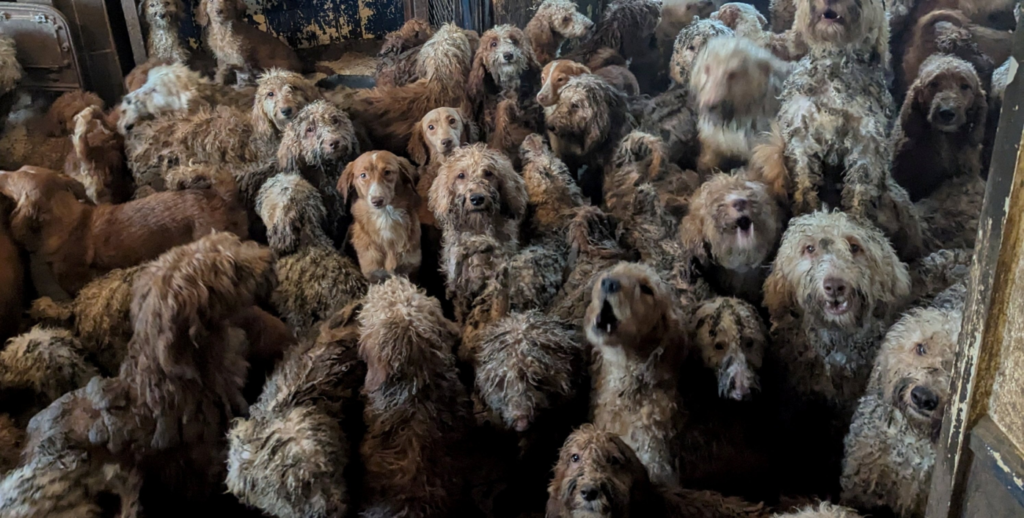
Many of the poodles were frightened and weak after living in such poor conditions for extended periods.
The Condition of the Rescued Poodles
Veterinary teams conducted initial health assessments immediately after the rescue.
Many of the dogs showed signs of serious neglect.
Common health problems identified
Among the most common issues were:
- Severe malnutrition
- Skin infections
- Parasite infestations
- Matted fur and untreated wounds
- Dental disease
- Behavioral trauma
Some dogs had never been groomed, which is especially dangerous for poodles because their curly coats require regular maintenance.
In extreme cases, heavily matted fur can restrict movement and cause painful skin infections.
Why Poodles Are Often Targeted in Puppy Mills
Poodles are one of the most popular dog breeds in the world, which unfortunately makes them a frequent target for unethical breeding operations.
Reasons breeders choose poodles
- High demand among families and pet owners
- Hypoallergenic reputation, making them popular for allergy sufferers
- High resale value for purebred puppies
- Ability to produce multiple litters
Unscrupulous breeders sometimes prioritize profit over animal welfare, leading to overcrowded and unhealthy environments.
The Reality of Puppy Mills
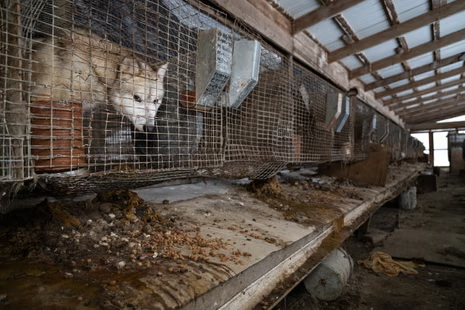
Animal welfare experts say cases like this highlight the ongoing problem of puppy mills, which are commercial breeding operations that often prioritize profit over the health and well-being of animals.
Dogs in puppy mills frequently live in:
- Small cages
- Poor sanitation
- Limited human interaction
- Lack of veterinary care
These conditions can lead to long-term health problems and psychological trauma.
Organizations such as the Humane Society of the United States have been working for years to raise awareness about the issue.
How Authorities Respond to Animal Hoarding Cases
Animal hoarding is a complex issue that often involves both animal welfare violations and mental health challenges.
Authorities typically follow several steps when responding to such cases:
- Investigation of complaints
- Welfare inspection of animals
- Removal of animals if necessary
- Veterinary treatment
- Legal action against responsible individuals
Depending on the severity of the case, individuals responsible may face criminal charges related to animal cruelty.
Legal Consequences for Animal Cruelty
Animal cruelty laws vary by region, but severe neglect cases can result in serious penalties.
Possible consequences include:
- Criminal charges
- Fines
- Bans on owning animals
- Jail sentences
Animal welfare advocates continue to push for stronger laws and enforcement to prevent similar cases.
Rehabilitation for the Rescued Poodles
After being removed from the property, the rescued dogs were transported to multiple shelters and veterinary clinics for care and rehabilitation.
Immediate care includes
- Medical examinations
- Vaccinations
- Parasite treatment
- Grooming and cleaning
- Nutritional support
Many of the dogs will require long-term rehabilitation to recover from trauma and neglect.
Preparing the Dogs for Adoption
Before the poodles can be placed in permanent homes, shelters must ensure they are healthy and behaviorally stable.
Steps in the adoption preparation process
- Veterinary treatment
- Behavioral assessments
- Socialization with humans
- Basic training
- Spay and neuter procedures
Animal shelters aim to match each dog with a family capable of providing proper care and attention.
The Role of Animal Shelters and Volunteers
Large rescue operations depend heavily on the dedication of volunteers and shelter staff.
Volunteers often help with:
- Transporting animals
- Providing temporary foster homes
- Grooming and bathing dogs
- Socializing animals
- Assisting with adoption events
Without these volunteers, managing such a large number of rescued animals would be extremely difficult.
Public Reaction to the Rescue
News of the rescue quickly spread on social media and news platforms, sparking widespread concern for the animals involved.
Many people expressed outrage over the conditions the dogs endured.
Others responded by offering support, including:
- Donations to shelters
- Volunteer assistance
- Adoption inquiries
The story has also reignited conversations about responsible pet ownership and ethical breeding practices.
How to Report Animal Neglect
Animal welfare organizations encourage the public to report suspected cases of abuse or neglect.
Signs of potential neglect include:
- Animals kept in unsanitary conditions
- Lack of food or water
- Untreated injuries or illnesses
- Excessive numbers of animals on a property
- Continuous barking or distress sounds
Reports can be made to local authorities or organizations such as the Royal Society for the Prevention of Cruelty to Animals.
The Importance of Responsible Pet Ownership
Cases like this highlight the importance of responsible pet ownership.
Responsible owners should:
- Provide proper food and water
- Ensure regular veterinary care
- Maintain clean living conditions
- Offer exercise and social interaction
- Avoid irresponsible breeding practices
Pets rely entirely on humans for their well-being, making proper care essential.
How to Avoid Supporting Puppy Mills
Consumers can help reduce the demand for unethical breeding operations by making informed choices when adopting pets.
Recommended steps
- Adopt from shelters or rescue groups
- Research breeders carefully
- Visit breeding facilities in person
- Avoid purchasing pets from online marketplaces without verification
- Ask for health records and breeding history
Organizations like the Humane Society of the United States strongly encourage adoption as the best option.
A Second Chance for the Rescued Dogs
Despite the traumatic conditions they endured, many of the rescued poodles now have the opportunity for a better life.
With proper medical care, rehabilitation, and loving homes, these dogs can recover and thrive.
Animal welfare experts say that dogs are remarkably resilient, and many rescued animals go on to become happy companions once placed in caring environments.
Conclusion
The rescue of more than 250 poodles from a squalid house is both heartbreaking and inspiring. While it highlights the ongoing challenges of animal cruelty and illegal breeding operations, it also demonstrates the power of coordinated rescue efforts.
Thanks to the dedication of animal welfare organizations, veterinarians, and volunteers, these dogs now have a chance to recover and find loving homes.
Cases like this serve as a reminder that protecting animals requires vigilance, compassion, and strong enforcement of animal welfare laws.
As awareness grows, advocates hope that stronger regulations and responsible pet ownership will help prevent similar tragedies in the future.
FAQs
1. How were the 250 poodles discovered in the house?
Authorities became aware of the situation after neighbors reported strong odors, excessive barking, and concerns about animal welfare. The complaints prompted an investigation by the Royal Society for the Prevention of Cruelty to Animals, which eventually led to the discovery of hundreds of dogs living in extremely poor conditions.
2. What conditions were the dogs living in?
Investigators found the poodles living in overcrowded and unsanitary conditions. Many rooms were filled with animal waste, and the dogs lacked adequate food, clean water, and veterinary care. Several animals were suffering from health issues caused by neglect.
3. What health problems did the rescued poodles have?
Veterinarians reported several health issues among the rescued dogs, including:
Severe malnutrition
Skin infections and parasites
Matted fur
Dental disease
Untreated wounds
Behavioral trauma
Many of the dogs required immediate medical treatment and grooming.