
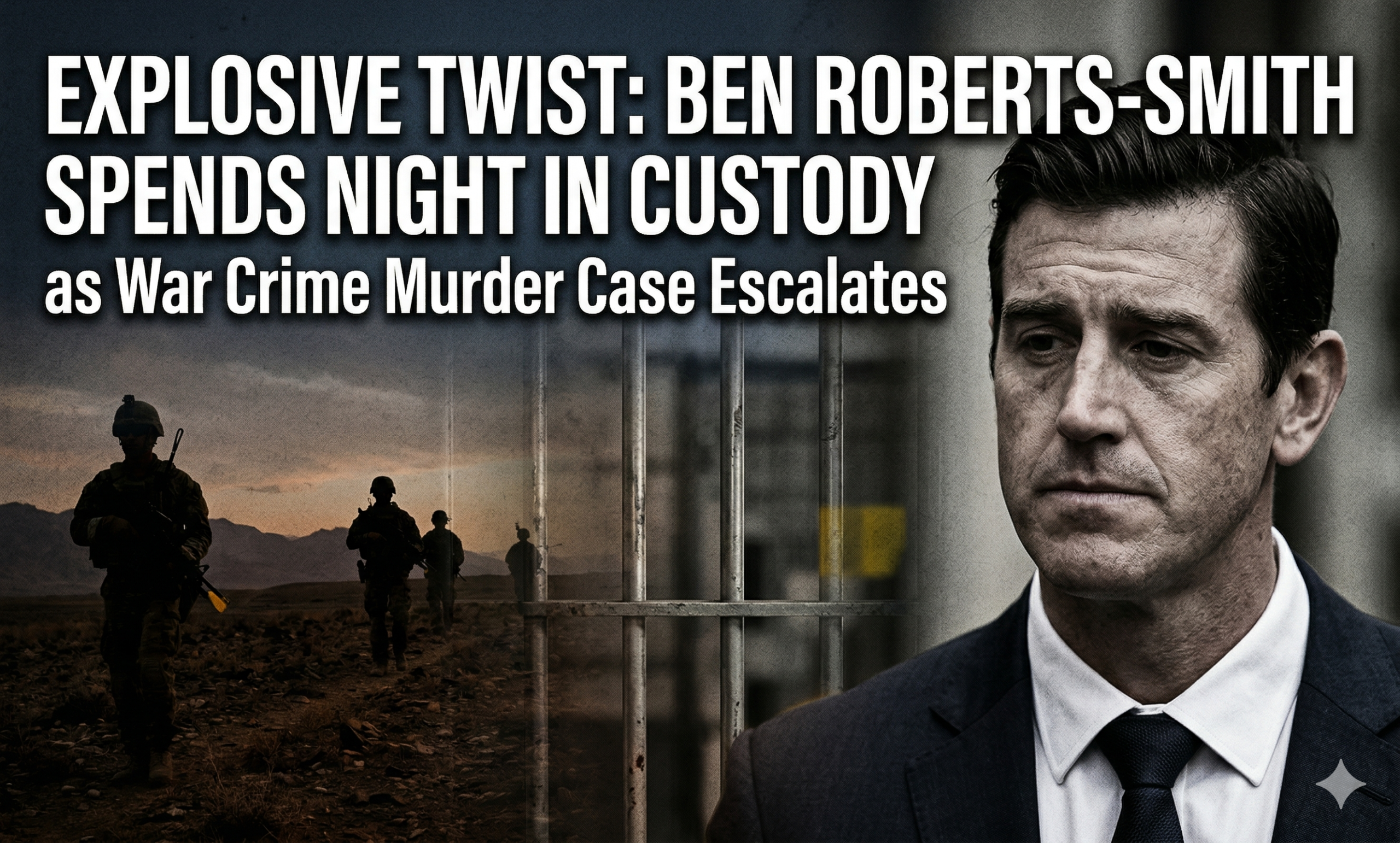
Explosive Twist: One of Australia’s most controversial military figures, Ben Roberts-Smith, has once again become the focus of national and international attention after reportedly spending a night in custody following new war crime murder charges. The development has intensified the already heated debate surrounding allegations tied to Australia’s special forces operations in Afghanistan.

The decorated former soldier, who was once widely celebrated for his bravery in combat, now faces serious accusations connected to alleged unlawful killings during Australia’s military involvement in Afghanistan. The situation has reignited conversations about accountability, military ethics, and the long-lasting consequences of war.
This article explores the latest developments in the case, the background of the allegations, the legal implications, and what the unfolding events could mean for Australia’s military and justice system.
Who Is Ben Roberts-Smith?
Australia’s Most Decorated Living Soldier
Ben Roberts-Smith rose to national prominence as one of the most decorated soldiers in modern Australian military history. A former member of the elite Special Air Service Regiment (SASR), he was awarded the prestigious Victoria Cross for Australia for extraordinary bravery during operations in Afghanistan in 2010.
The Victoria Cross is Australia’s highest military honour, awarded for acts of conspicuous gallantry in the face of the enemy. Roberts-Smith’s recognition elevated him to hero status across the country, with his story widely celebrated in media and military circles.
Following his military career, he moved into the corporate world and became a prominent public figure.
The War Crime Allegations
Accusations Linked to Afghanistan Operations
The war crime allegations against Roberts-Smith stem from incidents that allegedly occurred during Australia’s military operations in Afghanistan between 2009 and 2012.
Australian forces were deployed as part of international coalition operations during the conflict known as the War in Afghanistan. Special forces units, including the SASR, conducted counterinsurgency missions aimed at dismantling Taliban networks.
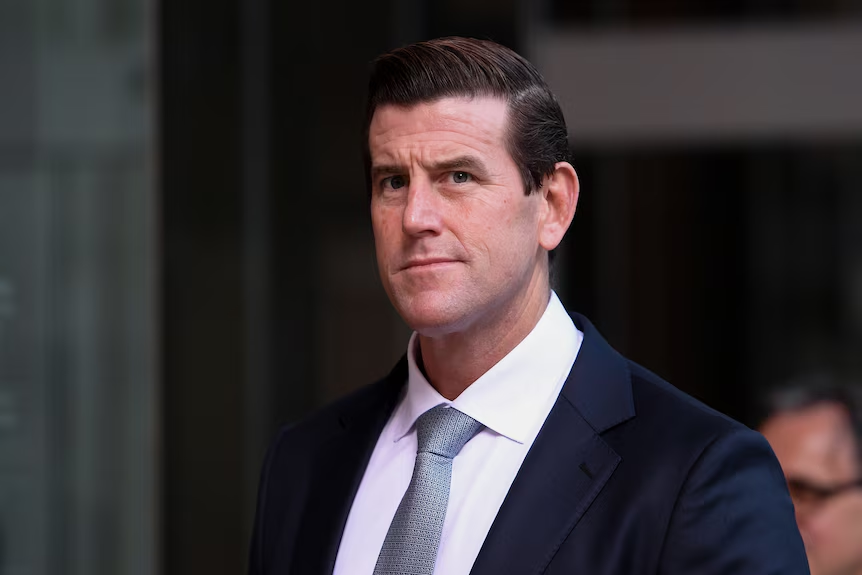
However, multiple reports later raised allegations that some operations may have involved unlawful killings and misconduct.
Roberts-Smith has repeatedly denied all allegations against him.
The Night in Custody
Authorities Take Action
Recent developments in the case have drawn renewed public attention after Roberts-Smith reportedly spent a night in custody following war crime murder charges.
Law enforcement authorities reportedly detained him as part of ongoing investigations into alleged killings linked to special forces operations.
Spending time in custody does not necessarily mean guilt has been established, but it indicates that authorities consider the allegations serious enough to warrant further legal scrutiny.
Background: The Brereton Inquiry
Investigating Alleged War Crimes

The allegations against Roberts-Smith gained momentum after the release of findings from the Brereton Report.
Commissioned by the Australian Defence Force, the report examined allegations of misconduct by Australian special forces in Afghanistan.
The investigation uncovered credible evidence of unlawful killings involving several soldiers and recommended criminal investigations in multiple cases.
The findings shocked many Australians and raised serious questions about the conduct of elite military units.
Legal Battles and Defamation Case
A High-Profile Court Fight
The controversy surrounding Roberts-Smith intensified after he launched a defamation lawsuit against several media outlets that had reported the allegations.
The case, heard in the Federal Court of Australia, became one of the most closely watched legal battles in Australian history.
In 2023, the court found that the publications had established the truth of several allegations on the balance of probabilities. While the civil ruling did not constitute a criminal conviction, it significantly damaged Roberts-Smith’s reputation.
The ruling marked a dramatic shift in public perception.

Why the Case Matters
Accountability in Modern Warfare
The case involving Roberts-Smith is not just about one individual. It represents a broader discussion about accountability within military operations.
Modern warfare often involves complex environments where soldiers face intense pressure and split-second decisions. However, international humanitarian law establishes clear rules regarding the treatment of prisoners and civilians.
Allegations of war crimes challenge the integrity of military institutions and raise important questions about oversight and discipline.
Impact on Australia’s Military Reputation
A Difficult Moment for the Defence Community
The controversy has also affected the reputation of Australia’s military forces.
The Australian Defence Force is widely respected for its professionalism and discipline. However, allegations of misconduct by elite units have forced military leaders to confront difficult questions about culture and accountability.
In response, the defence force has implemented reforms aimed at improving oversight, training, and ethical standards.
Veterans and Public Reaction
Mixed Responses Across Australia
Public reaction to the Roberts-Smith case has been deeply divided.
Some veterans and supporters continue to defend him, arguing that soldiers operating in combat zones face extraordinary pressures.
Others believe that allegations of war crimes must be investigated thoroughly to ensure justice and maintain the credibility of the armed forces.
The debate reflects broader tensions about how societies view soldiers who serve in complex conflicts.
Legal Process Moving Forward
What Happens Next?
The legal process following the reported custody incident could involve several stages:
- Formal criminal charges
- Court hearings
- Evidence review
- Possible trial proceedings
If prosecutors pursue a full criminal case, it could take years before a final verdict is reached.
War crimes investigations are often complex, requiring extensive evidence, witness testimony, and international cooperation.
International Law and War Crimes
Understanding War Crime Charges
War crimes are serious violations of international humanitarian law. These laws are designed to limit the brutality of armed conflict and protect civilians and prisoners of war.
Examples of war crimes include:
- Murder of prisoners or civilians
- Torture
- Inhumane treatment
- Targeting non-combatants
International conventions such as the Geneva Conventions establish the legal framework governing these rules.
Countries participating in military operations are responsible for investigating and prosecuting alleged violations.
The Role of Military Culture
Lessons from the Afghanistan Conflict
The allegations tied to Australian special forces operations have prompted wider discussions about military culture.
Some analysts argue that repeated deployments and the pressures of counterinsurgency warfare may have contributed to ethical breakdowns in certain units.
The defence force has since emphasized reforms aimed at strengthening leadership, accountability, and ethical training.
Media Coverage and Public Debate
A Story That Captured National Attention
The Roberts-Smith case has dominated headlines for years, reflecting both the gravity of the allegations and the high profile of the soldier involved.
Media investigations played a major role in bringing the allegations to public attention.
The situation highlights the role of journalism in uncovering potential misconduct and ensuring transparency.
Implications for Future Military Operations
Strengthening Oversight
The controversy surrounding alleged war crimes has led to calls for stronger oversight of special forces operations.
Some experts have suggested:
- Enhanced monitoring of deployments
- Improved reporting systems
- Stronger whistleblower protections
These measures aim to prevent future misconduct and protect both civilians and soldiers.
The Human Cost of War
Beyond the Headlines
While the legal and political implications of the case are significant, the broader issue remains the human cost of war.
Conflicts such as the War in Afghanistan have left deep scars on both local populations and military personnel.
Investigations into alleged war crimes are part of a larger effort to address the consequences of those conflicts.
The Road Ahead
Justice, Accountability, and National Reflection
As the legal process unfolds, Australia faces an important moment of reflection.
The Roberts-Smith case touches on issues of justice, national identity, and the responsibilities of military service.
For many Australians, the outcome will shape how the country remembers its involvement in Afghanistan and how it addresses allegations of wrongdoing within its ranks.
Conclusion
The reported night in custody for Ben Roberts-Smith marks another dramatic development in one of Australia’s most complex and controversial military cases.
What began as allegations tied to battlefield conduct has evolved into a national conversation about accountability, ethics, and the responsibilities of soldiers in modern warfare.
As investigations continue and legal proceedings move forward, the case will likely remain a defining issue for Australia’s military, legal system, and public discourse for years to come.
FAQs
1. Who is Ben Roberts-Smith?
Ben Roberts-Smith is a former Australian Special Air Service Regiment soldier and one of the most decorated living veterans in Australia. He received the Victoria Cross for Australia for bravery during military operations in Afghanistan in 2010.
2. Why was Ben Roberts-Smith taken into custody?
Reports indicate that Roberts-Smith spent a night in custody as authorities investigated allegations related to war crime murder charges connected to Australian military operations during the War in Afghanistan.
3. What are the war crime allegations against Ben Roberts-Smith?
The allegations claim that Roberts-Smith was involved in unlawful killings of prisoners during Australian special forces missions in Afghanistan. These accusations emerged following investigations linked to the Brereton Report.