
Introduction: A Fragile Ceasefire Faces Immediate Pressure
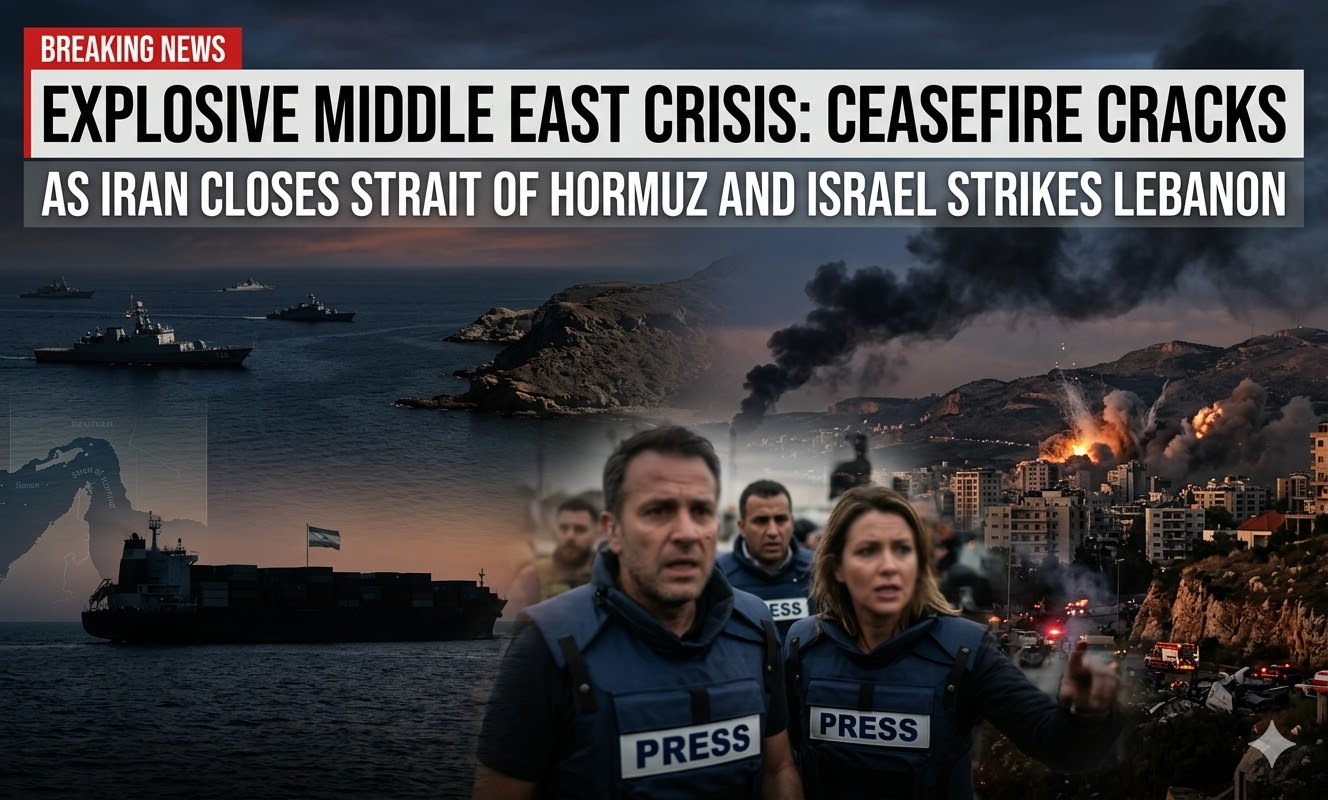
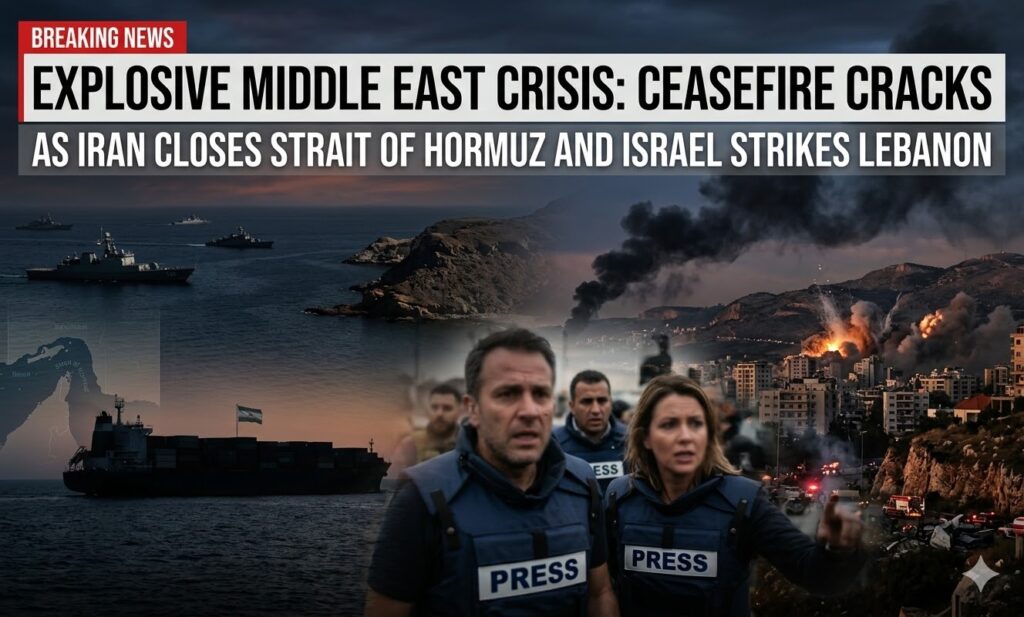
Explosive Middle East Crisis: The ongoing conflict involving the United States, Iran, Israel, and regional militias has entered a critical phase as a recently announced ceasefire shows signs of breaking down. Within hours of the agreement, fresh developments—including large-scale Israeli airstrikes in Lebanon and Iran’s decision to shut the vital Strait of Hormuz—have raised fears of renewed escalation across the Middle East.
The crisis has far-reaching consequences. It affects not only regional security but also global energy markets, international shipping routes, and diplomatic relations among world powers. Oil traders, governments, and humanitarian organizations are watching closely as events unfold.
This live timeline explains what happened, why tensions are rising again, and what the latest developments mean for the region and the world.
Timeline of Events: US-Iran War and Ceasefire Developments
The Road to the Ceasefire
After more than a month of military confrontation between the United States and Iran, diplomatic pressure from several countries helped bring the two sides to a temporary ceasefire agreement. The deal was meant to pause hostilities for two weeks and allow negotiations to begin.
International mediators hoped the pause would prevent further escalation and reduce the risk of a wider regional war. However, the agreement contained ambiguities—particularly about conflicts involving Israel and armed groups such as Hezbollah in Lebanon.
These uncertainties quickly created tensions that threatened the fragile truce.
Israel Launches Record Airstrikes on Lebanon
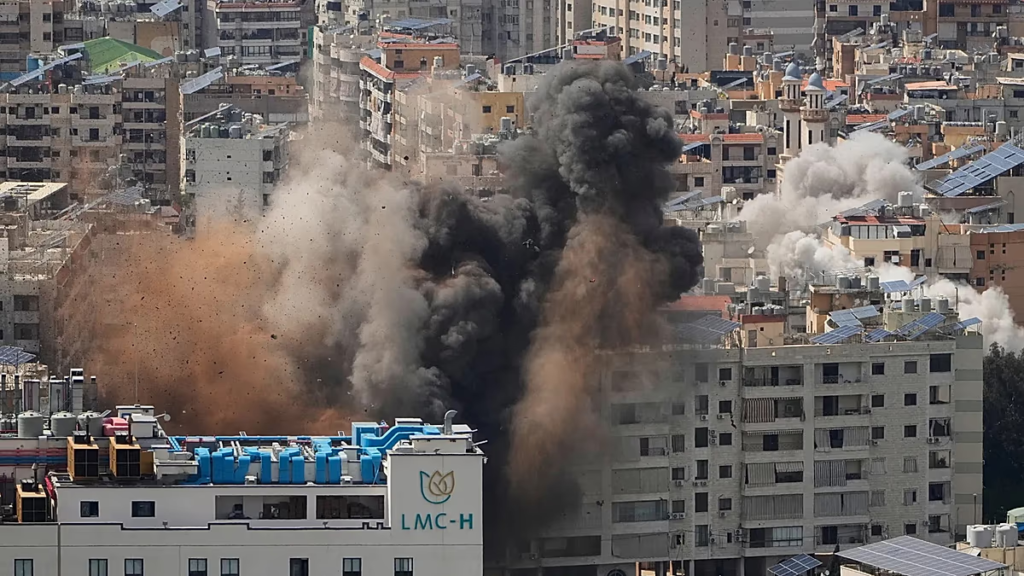
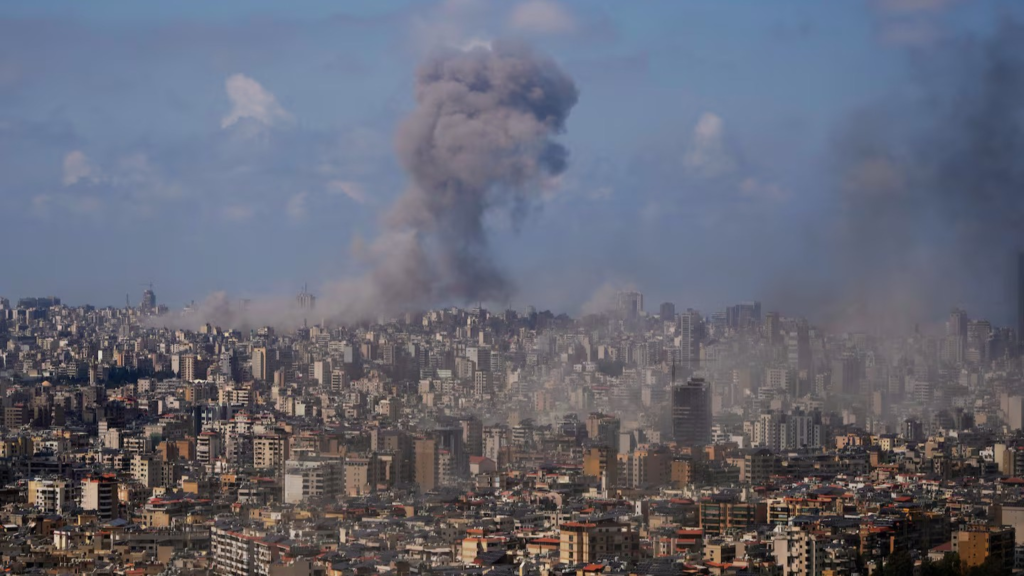
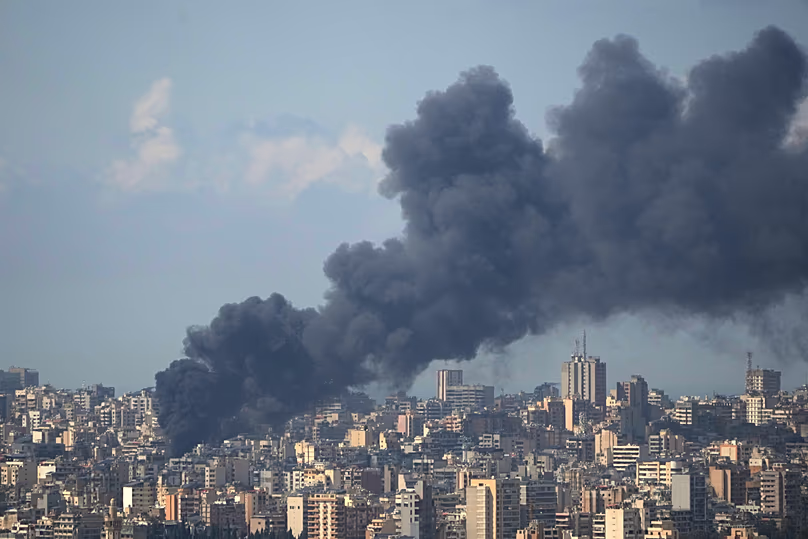
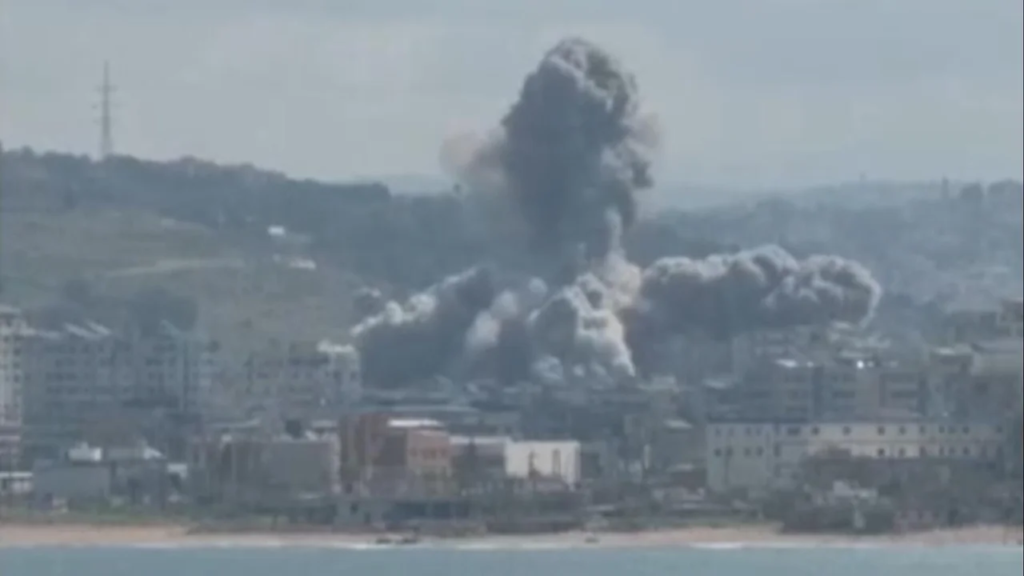
One of the most dramatic developments came when the Israel Defense Forces launched a massive wave of strikes targeting Hezbollah infrastructure in Lebanon.
Reports indicate that more than 100 targets were hit within minutes in locations including:
- Beirut
- Southern Lebanon
- The Bekaa Valley
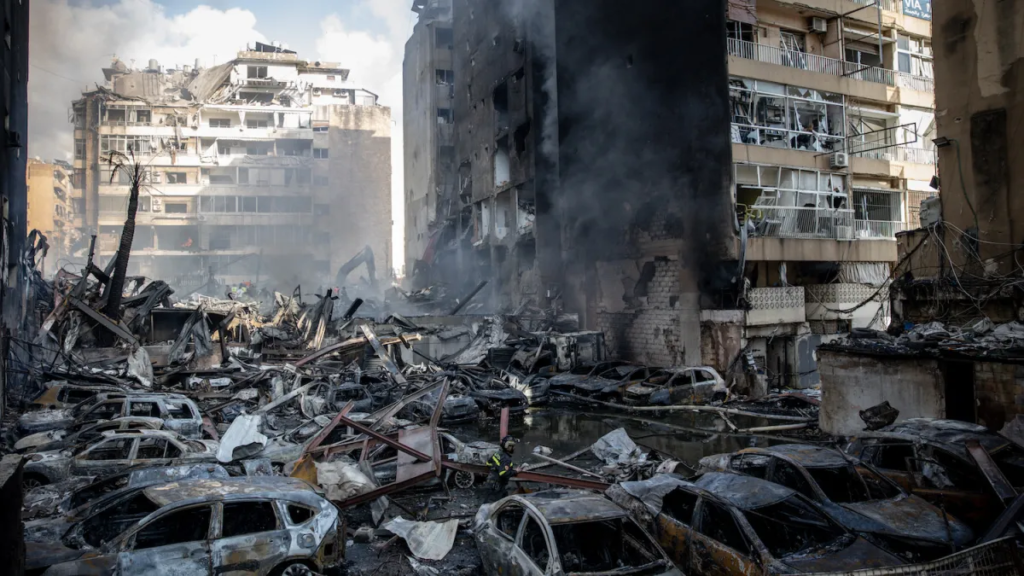
The strikes were described as one of the largest coordinated attacks in the current conflict. Lebanese authorities reported more than 100 deaths and hundreds of injuries following the bombardment.
Israeli officials said the strikes targeted missile launchers, intelligence centers, and command facilities used by Hezbollah fighters. They also accused the group of operating within civilian areas.
The attacks immediately triggered strong reactions across the region.
Iran Reacts by Closing the Strait of Hormuz
In response to the Israeli strikes, Iran took one of the most consequential steps of the crisis: shutting down the Strait of Hormuz, the narrow waterway linking the Persian Gulf with global shipping routes.
Iranian state media said the move was intended as a warning that aggression against Lebanon would not go unanswered. Officials warned that ships attempting to pass without approval could face military action.
The closure is significant because about 20% of the world’s oil and gas shipments pass through this strait, making it one of the most important maritime choke points in global trade.
The disruption has already triggered concern among shipping companies and energy markets.
Why the Strait of Hormuz Matters
A Critical Global Energy Route
The Strait of Hormuz is one of the most strategically important waterways in the world. It connects oil-producing countries in the Persian Gulf with international markets.
Every day, millions of barrels of oil travel through the narrow passage. Any disruption can cause immediate spikes in energy prices.
During the current crisis:
- Tanker traffic dropped sharply
- Shipping insurers raised premiums
- Energy companies delayed shipments
Some vessels have attempted to pass the strait only after receiving clearance from Iranian authorities.
Economic Consequences
The shutdown could have major global consequences:
1. Rising Oil Prices
A reduction in supply often pushes oil prices higher, affecting fuel costs worldwide.
2. Shipping Disruptions
Hundreds of cargo vessels and oil tankers remain stranded or delayed.
3. Inflation Risks
Higher energy prices can drive inflation in many countries.
Experts warn that a prolonged closure could disrupt international trade and economic stability.
Cracks in the US-Iran Ceasefire
What the Ceasefire Agreement Included
The ceasefire between the United States and Iran was intended to halt direct hostilities between the two countries.
Key provisions included:
- A temporary halt to military strikes
- Discussions on regional security
- Potential reopening of the Strait of Hormuz
- Diplomatic negotiations to reduce tensions
European leaders welcomed the agreement as a step toward stability and urged all parties to respect it.
However, the agreement did not clearly address Israel’s ongoing conflict with Hezbollah.
Why the Deal Is Under Threat
The ceasefire quickly came under pressure for several reasons:
Israeli Operations in Lebanon
Israel insists that its fight against Hezbollah is separate from the US-Iran ceasefire.
Iranian Warnings
Iranian officials argue that attacks on Lebanon are effectively attacks on Iran’s regional allies.
Conflicting Interpretations
Different versions of the ceasefire terms have created confusion among international observers.
As a result, tensions have risen again within days of the agreement.
Regional Actors and Their Roles
The United States
The United States has been a central participant in the conflict with Iran.
American officials have emphasized that the ceasefire aims to prevent a wider war while maintaining pressure on Iran over security concerns.
Washington has also called for safe passage for international shipping in the Gulf.
Iran
The Iran views Israeli operations in Lebanon as a direct threat to its regional allies.
Iran’s closure of the Strait of Hormuz is intended to demonstrate its strategic leverage.
Officials have warned that further escalation could lead to stronger military responses.
Israel
The Israel says its strikes target Hezbollah military infrastructure.
Israeli leaders argue that Hezbollah poses an immediate threat to Israeli security and must be neutralized.
However, critics say the scale of the attacks risks widening the regional conflict.
Hezbollah
The Lebanese militant group Hezbollah has been engaged in cross-border fighting with Israel.
The group claims its actions are part of resistance against Israeli aggression.
Hezbollah has hinted at possible retaliation following the latest strikes.
Humanitarian Impact
Civilian Casualties in Lebanon
The airstrikes in Lebanon have caused widespread destruction in residential areas.
Hospitals and emergency services are struggling to cope with the influx of casualties.
International humanitarian organizations have warned of:
- Growing displacement
- Shortages of medical supplies
- Damage to infrastructure
Risk of Regional War
The escalation between Israel and Hezbollah could expand into a broader regional war.
Countries across the Middle East are concerned that further escalation could pull additional actors into the conflict.
Diplomatic efforts are underway to prevent this scenario.
Global Reaction to the Crisis
Europe Calls for Restraint
Several European governments have urged all parties to respect the ceasefire and avoid further escalation.
Leaders stressed that protecting civilian lives and ensuring safe maritime trade are top priorities.
Energy Markets on Edge
Energy traders and shipping companies are closely monitoring the situation.
Industry experts warn that prolonged instability in the Strait of Hormuz could cause major disruptions in global energy supplies.
Some companies have already rerouted shipments or delayed voyages until the situation becomes clearer.
What Could Happen Next?
Scenario 1: Ceasefire Holds
If diplomatic efforts succeed, the ceasefire may stabilize the situation.
Possible outcomes include:
- Reopening the Strait of Hormuz
- Reduced military activity
- Negotiations on regional security
Scenario 2: Escalation Continues
If fighting intensifies, the conflict could expand across the region.
Potential consequences include:
- Increased missile attacks
- Wider military involvement
- Severe energy market disruptions
Scenario 3: Diplomatic Breakthrough
Another possibility is a broader regional agreement involving multiple countries.
Such a deal could address:
- Maritime security
- Arms control
- Regional conflicts
However, achieving this would require complex negotiations.
The Strategic Importance of the Middle East Conflict
A Geopolitical Flashpoint
The current crisis highlights how interconnected conflicts in the Middle East can be.
Events in one country often trigger reactions across the region.
The involvement of global powers further complicates the situation.
Implications for Global Security
The outcome of the crisis could reshape geopolitical alliances and security strategies.
It may also influence:
- International energy markets
- Military alliances
- Diplomatic relations
For now, the world is watching closely as the situation continues to evolve.
Conclusion: A Critical Moment in the Middle East
The fragile ceasefire between the United States and Iran was supposed to mark the beginning of de-escalation. Instead, new developments—including Israel’s record strikes in Lebanon and Iran’s closure of the Strait of Hormuz—have placed the agreement under immediate strain.
With global energy markets, regional stability, and millions of civilians affected, the stakes could not be higher.
Diplomats are working urgently to prevent the crisis from spiraling into a broader war. Whether those efforts succeed may determine the future of the Middle East and the global economy.
FAQs
1. What caused the recent tensions in the US-Iran conflict?
The latest tensions escalated after military exchanges and regional clashes involving the United States and Iran. Although a temporary ceasefire was announced, renewed military actions in the region—especially airstrikes and strategic threats—have raised concerns that the truce may not hold.
2. Why is the ceasefire between the United States and Iran showing cracks?
The ceasefire is under pressure due to continued military operations by regional actors and disagreements over the terms of the agreement. Actions involving Israel and Iran-aligned groups have created new tensions that threaten the fragile pause in hostilities.
3. Why did Israel launch strikes in Lebanon?
According to the Israel Defense Forces, the strikes targeted military infrastructure linked to Hezbollah. Israel says the attacks were aimed at preventing missile launches and weakening militant operations along its northern border.