
Introduction
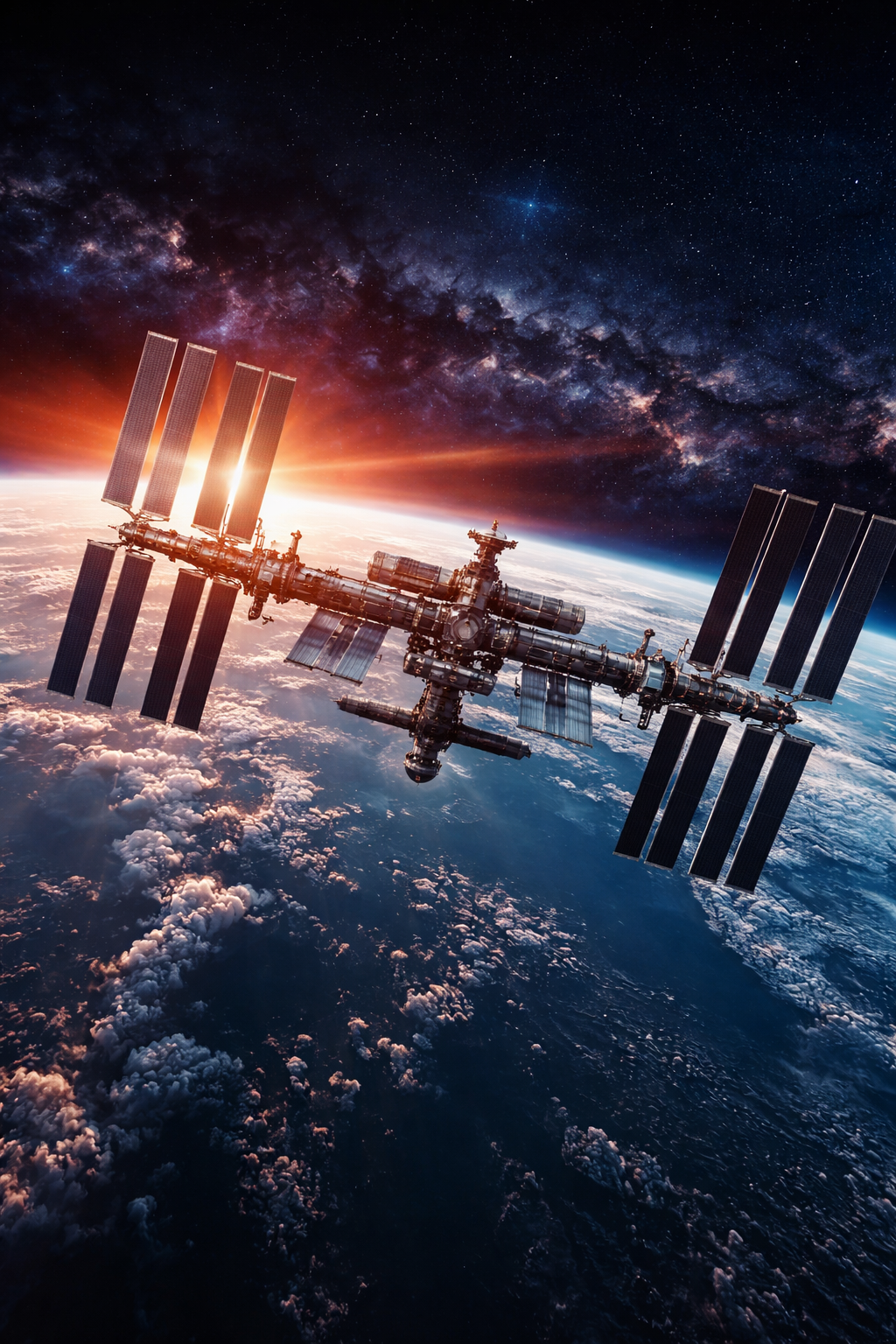
Pressure mounts on NASA as the International Space Station (ISS) approaches the final phase of its life. For more than two decades, the ISS has served as humanity’s most important laboratory in orbit. It has hosted thousands of scientific experiments and astronauts from around the world.
However, the station is now aging rapidly, and NASA plans to retire it around 2030. The challenge is that the replacement system — commercial space stations — is still under development.
This situation has created a critical moment for space exploration. Without a clear transition plan, the world could lose its permanent human presence in low Earth orbit.
Why Pressure Mounts on NASA Today
The pressure on NASA is growing because the timeline is extremely tight. Building and launching new space stations takes many years, and several projects are still in early development.
NASA wants private companies to build and operate the next generation of space stations. These commercial platforms would replace the ISS and continue scientific research in orbit.
But if delays occur, the transition could fail.
This is why experts say pressure mounts on NASA to ensure a smooth handover before the ISS retires.
The Aging International Space Station
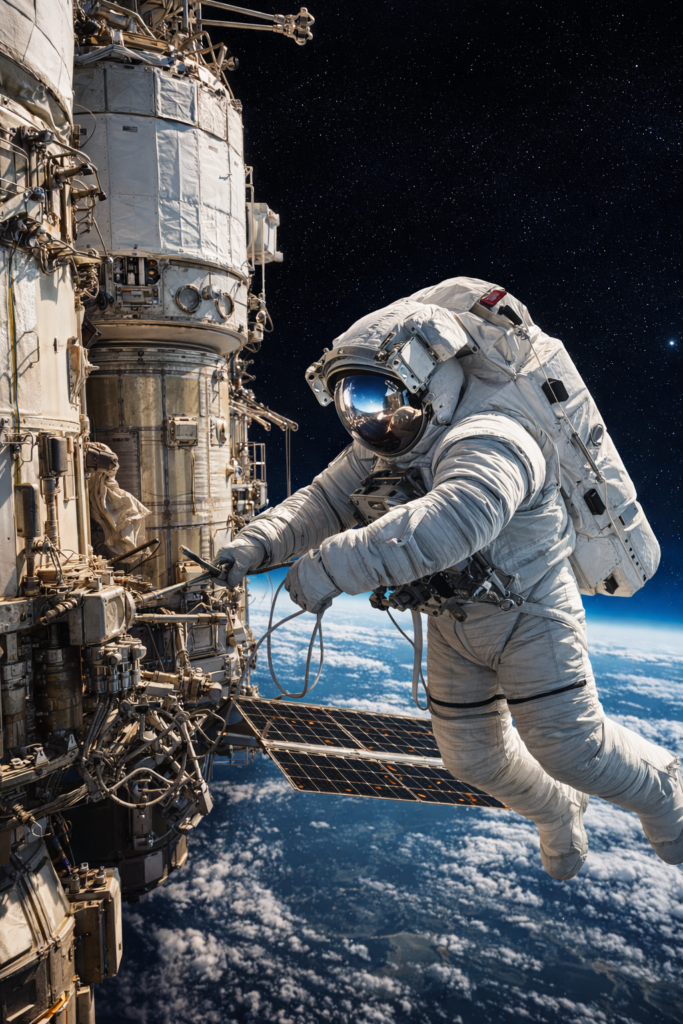
The International Space Station has been orbiting Earth since 1998. Over time, constant exposure to radiation, temperature swings, and micro-meteoroids has taken a toll on the structure.
Some of the key aging issues include:
a) Structural wear and fatigue
b) Small air leaks detected in modules
c) Aging electrical systems
d) Expensive maintenance operations
NASA and its partners have done an incredible job keeping the station operational, but the platform was never designed to last forever.
Eventually, the station must be retired.
Why the Space Station Is Nearing Its End
The ISS was originally designed to operate for about 15 years. Through upgrades and repairs, its lifespan has been extended to over 30 years.
Despite this achievement, the station is reaching its limits.
Several factors explain why the end is approaching:
1. Structural Fatigue
Long-term stress in orbit weakens materials over time.
2. Rising Maintenance Costs
Maintaining an aging station is extremely expensive.
3. Safety Concerns
Astronaut safety must always come first.
Because of these issues, NASA plans to retire the ISS around 2030.
The Risk of Losing a Permanent Presence in Space
If the ISS retires before new stations are ready, the world could temporarily lose its continuous human presence in low Earth orbit.
That would be a major setback for space exploration.
A gap in operations could affect:
a) Microgravity research
b) Technology development
c) International collaboration
d) Astronaut training
This is another reason pressure mounts on NASA to finalize the transition plan quickly.
NASA’s Plan for Commercial Space Stations
Instead of building a new government station, NASA wants private companies to take the lead.
This initiative is called the Commercial Low Earth Orbit Destinations (CLD) program.
Under this program, NASA funds companies to develop space stations that can host astronauts and experiments.
Some major projects include:
a) Orbital Reef station
b) Starlab space station
c) Axiom Space station
These platforms would eventually replace the ISS.
The Role of Private Companies in the Future
The future of low Earth orbit may be dominated by commercial space companies.
These companies aim to create stations that support:
a) Scientific experiments
b) Space tourism
c) Manufacturing in microgravity
d) Government missions
Companies like SpaceX, Blue Origin, and Axiom Space are heavily involved in these plans.
Their participation could transform the economics of space exploration.
Funding Challenges Facing NASA
Developing new space infrastructure requires massive investment.
NASA must balance funding between several major programs, including:
a) Artemis Moon missions
b) Mars exploration plans
c) Commercial space station development
Limited budgets create pressure on decision-makers.
If funding slows down, development timelines could slip further.
International Partnerships and Uncertainty
The ISS is a global collaboration involving several space agencies.
Key partners include:
a) NASA (United States)
b) ESA (Europe)
c) JAXA (Japan)
d) CSA (Canada)
Geopolitical tensions and budget changes can complicate future partnerships.
Maintaining international cooperation will be crucial for future space stations.
Scientific Research at Risk
The ISS has produced groundbreaking discoveries in many fields, including:
a) Medicine
b) Physics
c) Materials science
d) Agriculture
Microgravity research helps scientists understand how materials and biological systems behave in space.
If there is a gap between the ISS and its replacement, many research programs could be interrupted.
What Happens If the Handover Fails
A failed transition could create serious consequences.
Possible outcomes include:
Loss of Scientific Opportunities
Research experiments may be delayed or cancelled.
Reduced Global Leadership
The United States could lose leadership in low Earth orbit.
Slow Progress in Space Technology
Many technologies require microgravity testing.
These risks explain why pressure mounts on NASA to secure a reliable replacement.
NASA’s Deorbit Plan for the ISS
NASA plans to safely deorbit the International Space Station at the end of its life.
The plan involves using a specialized spacecraft to guide the station into Earth’s atmosphere.
Most of the station will burn up during reentry, and remaining debris will fall into the ocean in a remote area.
This controlled process ensures safety for people on Earth.
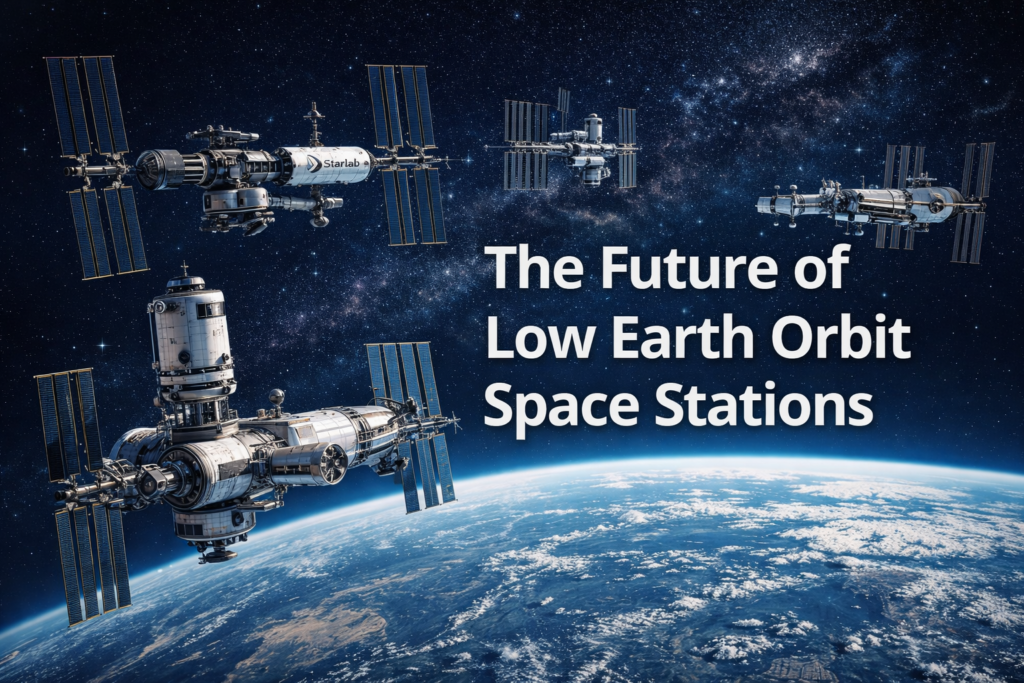
The Future of Low Earth Orbit Stations
Despite the challenges, the future of space stations looks promising.
Next-generation stations could offer:
a) Larger research facilities
b) Commercial manufacturing labs
c) Tourist accommodations
d) Advanced robotics systems
These stations may also be more cost-efficient than the ISS.
Private companies believe low Earth orbit could become a thriving economic zone.
Why This Moment Is Critical for Space Exploration
The next decade will determine the future of human activity in low Earth orbit.
If NASA successfully transitions to commercial stations, space exploration could enter a new era.
However, if delays continue, the world may face a gap in orbital research.
That is why pressure mounts on NASA to act quickly and decisively.
The decisions made today will shape space exploration for decades.
Conclusion
The International Space Station has been one of humanity’s greatest technological achievements. For more than 20 years, it has served as a symbol of international cooperation and scientific progress.
However, the station is nearing the end of its operational life. As a result, pressure mounts on NASA to ensure a smooth transition to the next generation of space stations.
Commercial platforms offer exciting possibilities, but they must be ready before the ISS retires. The coming years will be crucial in determining whether humanity maintains its permanent presence in space.
If the transition succeeds, it could open the door to a thriving new space economy.
FAQs
Q1. Why is the International Space Station being retired?
The ISS is aging and requires increasing maintenance. NASA plans to retire it around 2030 for safety and cost reasons.
Q2. What will replace the International Space Station?
Commercial space stations developed by private companies are expected to replace the ISS.
Q3. Why does pressure mount on NASA regarding the ISS?
NASA must ensure new space stations are ready before the ISS is retired to avoid a gap in space operations.