
Introduction: A Deadly Escalation in the Middle East Conflict
Shockwaves Across the Middle East: The Middle East conflict has entered a dangerous new phase after massive Israeli airstrikes across Lebanon reportedly killed at least 254 people and injured hundreds more in one of the deadliest days of the ongoing regional war. The strikes targeted multiple locations including Beirut, southern Lebanon, and the Bekaa Valley, intensifying fears that the conflict tied to the broader Iran–Israel confrontation could spiral further out of control.
The violence comes amid growing tensions linked to the wider war involving Iran and Israel, as well as regional militias and international powers. With civilian casualties rising and diplomatic efforts faltering, the situation has triggered alarm across the global community.
This SEO-optimized article provides a comprehensive overview of the latest developments, the background of the conflict, the humanitarian impact, geopolitical implications, and what may happen next
The Latest Israeli Airstrikes in Lebanon
A Wave of Devastating Attacks
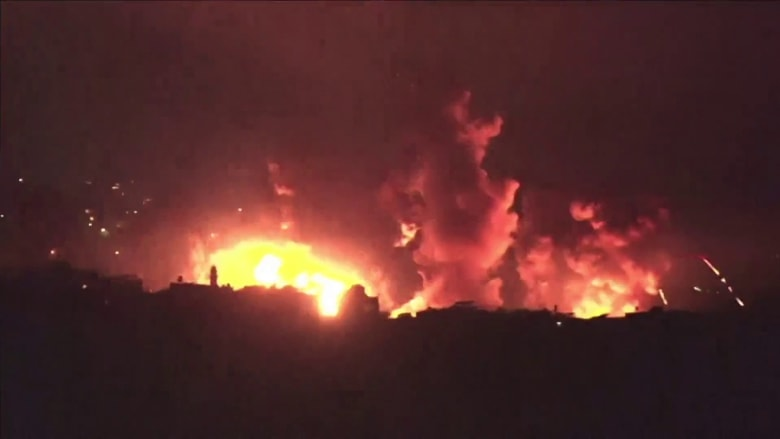
Israeli forces launched a massive wave of airstrikes targeting more than 100 sites across Lebanon. Military officials said the attacks were aimed at infrastructure belonging to the armed group Hezbollah, which Israel accuses of launching rockets and drones against its territory.
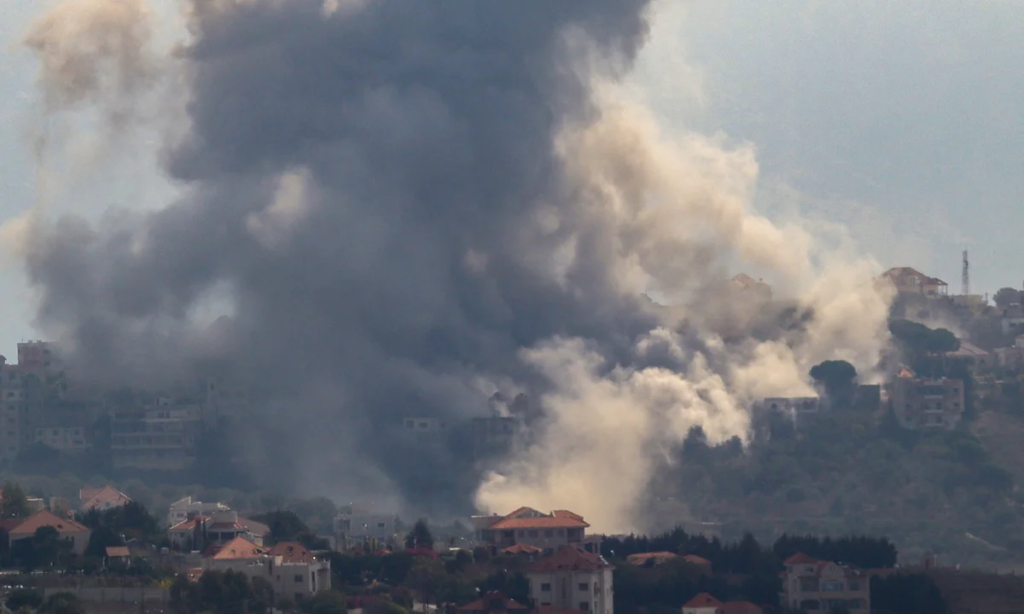
The strikes hit densely populated areas, including neighborhoods in Beirut and several towns in southern Lebanon. Buildings collapsed, fires broke out, and emergency crews rushed to rescue people trapped under rubble.
Authorities reported at least 254 deaths and over 800 injuries, though the number is expected to rise as rescue operations continue.
The Largest Attack Since the War Began
Observers described the assault as the largest wave of Israeli strikes in Lebanon since the start of the current conflict. The attacks were reportedly launched in rapid succession, targeting suspected militant facilities, weapons depots, and command centers.
However, local officials say residential areas were also heavily affected, resulting in widespread civilian casualties.
The scale of the destruction has shocked both regional leaders and international humanitarian organizations.
Background: The Iran–Israel Conflict Expands
Origins of the Current War
The ongoing crisis stems from the broader confrontation between Iran and Israel that erupted earlier this year. The conflict intensified following a series of military operations, retaliatory strikes, and proxy attacks involving allied groups across the region.
Armed organizations linked to Iran, including Hezbollah in Lebanon, have played a major role in the escalation.
This network of alliances has transformed the conflict into a regional crisis involving multiple countries and militant groups.
Hezbollah’s Role in the Conflict
Hezbollah is one of the most powerful armed groups in Lebanon and has long been supported by Iran. The group has frequently clashed with Israel along the border region.
Following recent Israeli operations targeting Iran and allied forces, Hezbollah launched missile and drone attacks toward northern Israel.
Israel responded with large-scale airstrikes across Lebanon, arguing that the group’s military infrastructure posed a direct threat to its national security.
Humanitarian Crisis in Lebanon
Rising Civilian Casualties
The humanitarian toll of the conflict continues to grow rapidly.
Hospitals across Lebanon have reported a massive influx of wounded civilians, overwhelming already strained medical facilities.
Emergency responders and civil defense teams are still searching through damaged buildings for survivors.
Many of the victims are believed to be civilians caught in residential areas targeted during the attacks.
Massive Displacement Across the Country
The ongoing airstrikes have forced hundreds of thousands of people to flee their homes.
Families have moved to safer regions or taken refuge in temporary shelters as bombing continues.
The displacement crisis has worsened an already fragile humanitarian situation in Lebanon, which has been struggling with economic collapse and political instability for years.
Destruction in Beirut and Southern Lebanon
Capital City Under Fire
Parts of Beirut, the capital of Lebanon, were among the areas struck in the latest wave of attacks.
Several buildings were destroyed, and residents reported powerful explosions that shook entire neighborhoods.
Thick smoke could be seen rising across the skyline as emergency services worked to contain fires and rescue trapped residents.
Southern Lebanon: A Major Battlefield
Southern Lebanon has become a central battleground in the conflict between Israeli forces and Hezbollah fighters.
Israeli airstrikes have targeted towns and villages near the border, where Hezbollah maintains strong military positions.
The region has seen repeated bombardment since the conflict escalated.
Local authorities say many communities have been devastated by the ongoing fighting.
Political Reactions Around the World
International Condemnation and Calls for Restraint
Global leaders have expressed deep concern about the rising death toll and the escalating violence.
Several governments have called for immediate restraint and renewed diplomatic efforts to prevent the conflict from spreading further.
Human rights organizations have also warned about the devastating impact on civilians.
Diplomatic Efforts to Prevent a Wider War
Diplomatic negotiations are underway as world leaders attempt to prevent the crisis from turning into a full-scale regional war.
Some countries are pushing for an immediate ceasefire and expanded peace talks.
However, deep political divisions and mistrust between the parties involved make negotiations extremely difficult.
Regional Implications of the Iran War
Risk of Wider Middle East Conflict
The ongoing confrontation between Iran and Israel threatens to destabilize the entire Middle East.
Several countries in the region could become involved if hostilities continue to escalate.
Military analysts warn that the situation could evolve into a broader regional war involving multiple states.
Global Security Concerns
The conflict has also raised concerns about global security and international stability.
Military deployments, naval movements, and increased defense readiness across the region indicate that governments are preparing for potential escalation.
International organizations are closely monitoring developments.
Economic Consequences of the Conflict
Impact on Global Oil Markets
The Middle East is one of the world’s most important energy-producing regions.
Any disruption caused by war or instability can have a major impact on global oil supplies.
Recent tensions have already led to volatility in oil markets as investors worry about supply disruptions.
Rising Energy Prices
If the conflict intensifies, energy prices around the world could rise sharply.
Higher oil prices can affect transportation costs, electricity prices, and inflation in many countries.
This makes the Middle East conflict not just a regional issue but a global economic concern.
Media Coverage and Global Attention
Continuous Live Updates
News organizations around the world are providing live coverage of the rapidly evolving situation.
Images of destroyed buildings, rescue operations, and displaced civilians have dominated international headlines.
The story continues to develop as more information becomes available.
The Human Cost of War
Families and Communities Devastated
Behind the statistics are thousands of families whose lives have been permanently changed.
Many victims were ordinary civilians who had no direct involvement in the conflict.
Entire neighborhoods have been destroyed, leaving communities shattered.
Long-Term Consequences for Lebanon
Lebanon faces a difficult road ahead.
Rebuilding infrastructure, caring for displaced families, and restoring economic stability will take years.
The conflict could worsen the country’s already severe political and economic challenges.
What Could Happen Next?
Possible Military Escalation
If hostilities continue, the conflict could expand further across the region.
Retaliatory attacks, new alliances, and increased military operations could push the crisis toward a broader war.
Hope for Diplomacy
Despite the escalating violence, many leaders still believe diplomacy remains the only viable path to peace.
Negotiations and international pressure may help reduce tensions and bring the parties back to the negotiating table.
However, the situation remains extremely fragile.
Conclusion
The latest Israeli airstrikes in Lebanon, which reportedly killed at least 254 people, mark one of the most devastating episodes of the current Middle East conflict. As the broader Iran–Israel confrontation intensifies, the humanitarian, political, and economic consequences continue to grow.
With thousands displaced, hundreds dead, and diplomatic solutions uncertain, the region stands at a critical crossroads.
The coming days will likely determine whether the conflict escalates further or whether international efforts can bring about a fragile peace.
FAQs
1. What triggered Israel’s recent attacks across Lebanon?
The latest attacks are linked to escalating tensions between Israel and armed groups operating in Lebanon, particularly the Iran-backed organization Hezbollah. Israel claims the strikes are aimed at neutralizing military infrastructure and preventing cross-border attacks.
2. Why is Iran involved in the Israel–Lebanon conflict?
Iran has long supported regional groups opposed to Israel, including Hezbollah. Tehran provides political backing, funding, and military assistance, which makes it a central player in the broader Middle East geopolitical struggle.
3. How many people were reportedly killed in the recent attacks?
Reports indicate that over 250 people were killed during Israel’s devastating strikes across parts of Lebanon. The casualty figures include both civilians and militants, although exact numbers are still being verified by international agencies.