
Introduction: A Fragile Truce Under Immediate Pressure
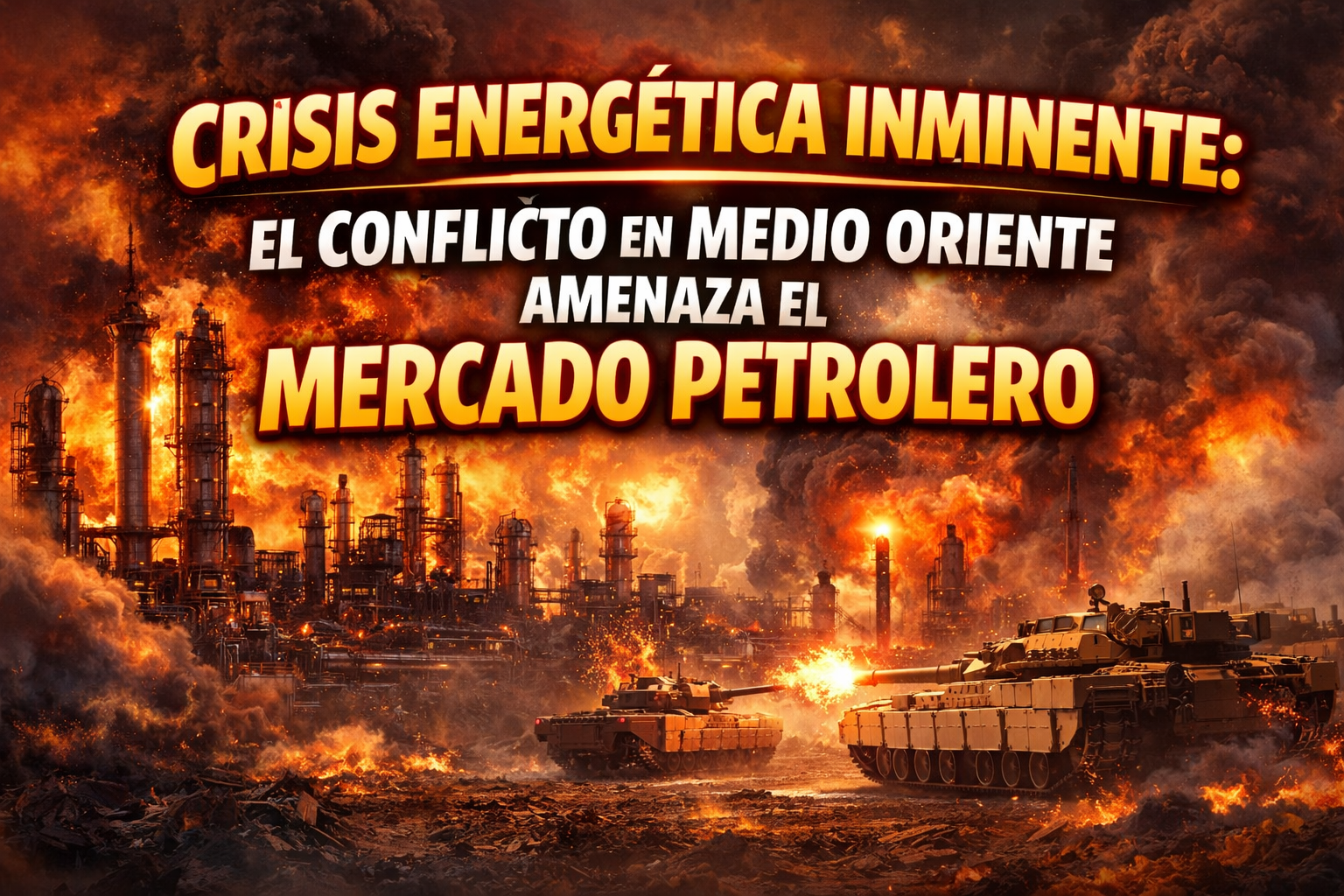
Crisis Energética Inminente: The Middle East once again finds itself at the center of global concern as a recently announced ceasefire faces serious challenges. What was meant to be a temporary pause in hostilities has quickly become a point of contention after renewed military operations and retaliatory measures.
Shortly after the ceasefire agreement between the United States and Iran was announced, Israel launched significant military strikes in Lebanon targeting positions linked to Hezbollah. In response, Iran blocked oil tanker traffic through the critical Strait of Hormuz, citing violations of the ceasefire framework.
These developments have raised fears that the fragile truce could collapse entirely, potentially escalating tensions across the region and affecting global energy markets.
This article provides a comprehensive look at the unfolding crisis, examining the military actions, diplomatic disputes, regional reactions, and the potential implications for global security and oil supplies.
Understanding the Ceasefire Agreement
Why the Ceasefire Was Announced
The ceasefire was intended to halt escalating hostilities between Iran, Israel, and their respective allies. Diplomatic efforts led by international mediators aimed to create a temporary pause in fighting while negotiations toward a longer-term solution continued.
The truce reportedly included a two-week pause in direct conflict between Iran and the United States, with hopes that it could lead to broader peace discussions.
However, disagreements over the exact terms of the agreement quickly surfaced. Some parties believed the ceasefire covered multiple fronts of the conflict, including Lebanon, while others argued that it applied only to direct confrontation between Iran and U.S. forces.
This ambiguity set the stage for the current crisis.
Israel’s Assault on Lebanon
Continued Strikes Despite the Ceasefire
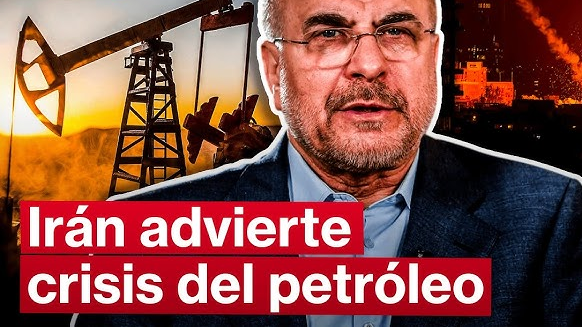
Despite the ceasefire announcement, Israeli forces carried out extensive airstrikes in Lebanon, targeting what they described as Hezbollah military infrastructure.
Reports indicate that dozens of sites across Beirut, southern Lebanon, and the Bekaa Valley were hit during the operations.
Israeli officials stated that the ceasefire did not apply to their campaign against Hezbollah, an Iran-backed militant group operating in Lebanon.
Prime Minister Benjamin Netanyahu maintained that Israel would continue defending its security interests and conducting operations against threats originating from Lebanese territory.
Casualties and Humanitarian Impact
The renewed strikes have resulted in significant casualties and widespread destruction.
Health authorities in Lebanon reported over one hundred deaths and hundreds of injuries following the latest wave of attacks.
Civilian neighborhoods in central Beirut were also affected, leading to panic among residents and further displacement of families who had already fled earlier phases of the conflict.
Hospitals in affected areas have struggled to cope with the influx of wounded civilians.
Hezbollah’s Role in the Conflict
The Militant Group at the Center of Escalation
Hezbollah, a powerful armed organization in Lebanon with strong ties to Iran, has played a central role in the regional conflict.
The group initially halted attacks on Israel as part of the ceasefire framework. However, Israel continued its operations, arguing that Hezbollah remained an active threat.
Hezbollah leaders have condemned the Israeli strikes and warned that they reserve the right to respond if attacks continue.
This dynamic has further complicated efforts to maintain the ceasefire.
Iran’s Response: Blocking Oil Tankers
The Strait of Hormuz Crisis
In response to Israeli operations in Lebanon, Iran moved to block oil tanker traffic through the Strait of Hormuz, one of the world’s most important energy routes.
Iranian authorities warned that vessels attempting to cross the waterway without permission could face military action.
The move was described as a direct reaction to what Tehran called Israeli violations of the ceasefire agreement.
Why the Strait of Hormuz Matters
The Strait of Hormuz is a narrow maritime corridor connecting the Persian Gulf to global shipping lanes.
Approximately 20% of the world’s oil supply passes through this route under normal conditions.
When tanker traffic is disrupted, global energy markets often react quickly, with oil prices rising due to fears of supply shortages.
Iran’s blockade therefore carries implications far beyond the Middle East.
Global Economic Implications
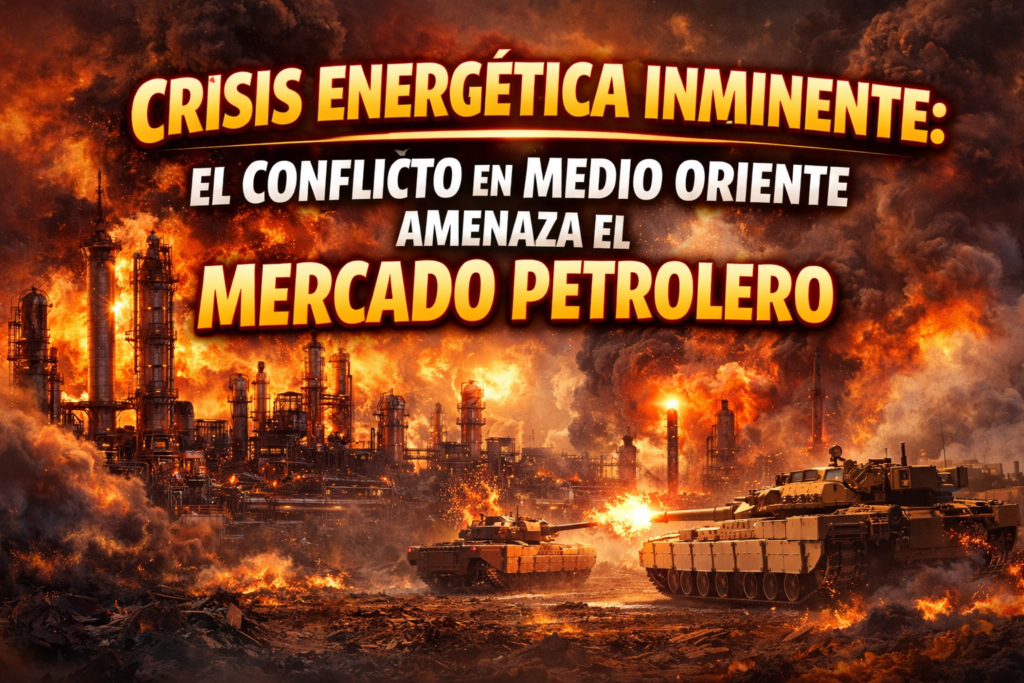
Impact on Oil Prices
Energy markets closely monitor developments in the Strait of Hormuz because disruptions can affect global fuel prices.
If tanker traffic remains restricted, analysts warn that oil prices could surge significantly.
Even short-term interruptions in shipments can create volatility in global markets.
This is particularly concerning for countries heavily dependent on imported oil.
Potential Impact on Global Trade
Beyond oil shipments, tensions in the Strait of Hormuz can affect broader international trade routes.
Shipping companies may reroute vessels or delay shipments due to safety concerns.
Insurance costs for ships passing through conflict zones also tend to rise, further increasing transportation costs.
Conflicting Interpretations of the Ceasefire
Disagreement Over the Terms
One of the key reasons the ceasefire appears unstable is the lack of agreement about what it actually covers.
Some officials claim the deal included a broader regional pause in fighting, including Lebanon.
Others insist the agreement applied only to direct hostilities between Iran and the United States.
These conflicting interpretations have made enforcement nearly impossible.
International Reactions
Diplomatic Efforts Continue
Global leaders have expressed concern about the escalating situation and are urging all parties to respect the ceasefire.
Several countries have called for renewed negotiations and expanded diplomatic engagement to prevent further escalation.
European governments in particular have emphasized the need for de-escalation.
Calls for Lebanon to Be Included
Some international leaders argue that excluding Lebanon from the ceasefire framework was a major oversight.
They believe any meaningful peace effort must include all active fronts in the conflict.
Without such inclusion, the ceasefire risks becoming symbolic rather than effective.
Humanitarian Concerns in Lebanon
Massive Displacement
The conflict has forced hundreds of thousands of people in Lebanon to flee their homes.
Many families have sought shelter in temporary camps or with relatives in safer areas.
Infrastructure damage has made access to basic services increasingly difficult.
Strain on Hospitals and Aid Agencies
Medical facilities in affected regions are struggling to treat large numbers of wounded civilians.
International aid organizations have warned that humanitarian conditions could worsen if fighting continues.
Emergency supplies and funding are urgently needed to support displaced populations.
The Risk of Regional Escalation
A Conflict with Global Consequences
The Middle East conflict involves multiple countries and armed groups, making escalation a constant risk.
Any breakdown in the ceasefire could draw additional regional powers into the conflict.
Such a scenario could transform a localized confrontation into a broader regional war.
Military Readiness Across the Region
Several countries in the region have placed their armed forces on heightened alert.
Defense officials in multiple nations have warned that they are prepared to respond if the conflict spreads.
This state of readiness highlights the seriousness of the current crisis.
Prospects for Peace
Diplomatic Challenges Ahead
Achieving lasting peace in the Middle East has always been difficult due to deep-rooted political, religious, and territorial disputes.
The current ceasefire crisis demonstrates how fragile even temporary agreements can be.
Successful negotiations will require cooperation from multiple governments and international mediators.
Possible Next Steps
Experts suggest several possible paths forward:
- Expanding the ceasefire to include all regional fronts
- Establishing clear enforcement mechanisms
- Increasing international monitoring of violations
- Launching broader diplomatic talks
Without these measures, the current truce may not survive.
Conclusion: A Ceasefire Hanging by a Thread
The latest developments in the Middle East highlight how quickly fragile peace efforts can unravel.
Israel’s continued strikes in Lebanon and Iran’s blockade of oil tankers have placed the ceasefire under severe strain.
With humanitarian conditions worsening and global markets watching closely, the stakes could not be higher.
Whether diplomacy can restore stability remains uncertain. What is clear is that the coming days will be critical for determining whether the region moves toward peace or slides further into conflict.
FAQs
1. Why is the Middle East ceasefire in doubt?
The ceasefire is under pressure because military actions continued despite the agreement. Israel launched strikes in Lebanon targeting the group Hezbollah, while Iran responded by blocking oil tanker movement in the Strait of Hormuz, raising concerns that the truce may collapse.
2. Why did Israel launch strikes in Lebanon?
Israel says its operations target positions linked to Hezbollah, which it considers a major security threat. Israeli officials argue that the ceasefire agreement does not prevent them from taking action against militant groups operating in Lebanon.
3. What role does Hezbollah play in the conflict?
Hezbollah is a powerful armed group based in Lebanon and supported by Iran. The group has been involved in multiple confrontations with Israel over the years and is considered a central actor in the current escalation.