
Introduction
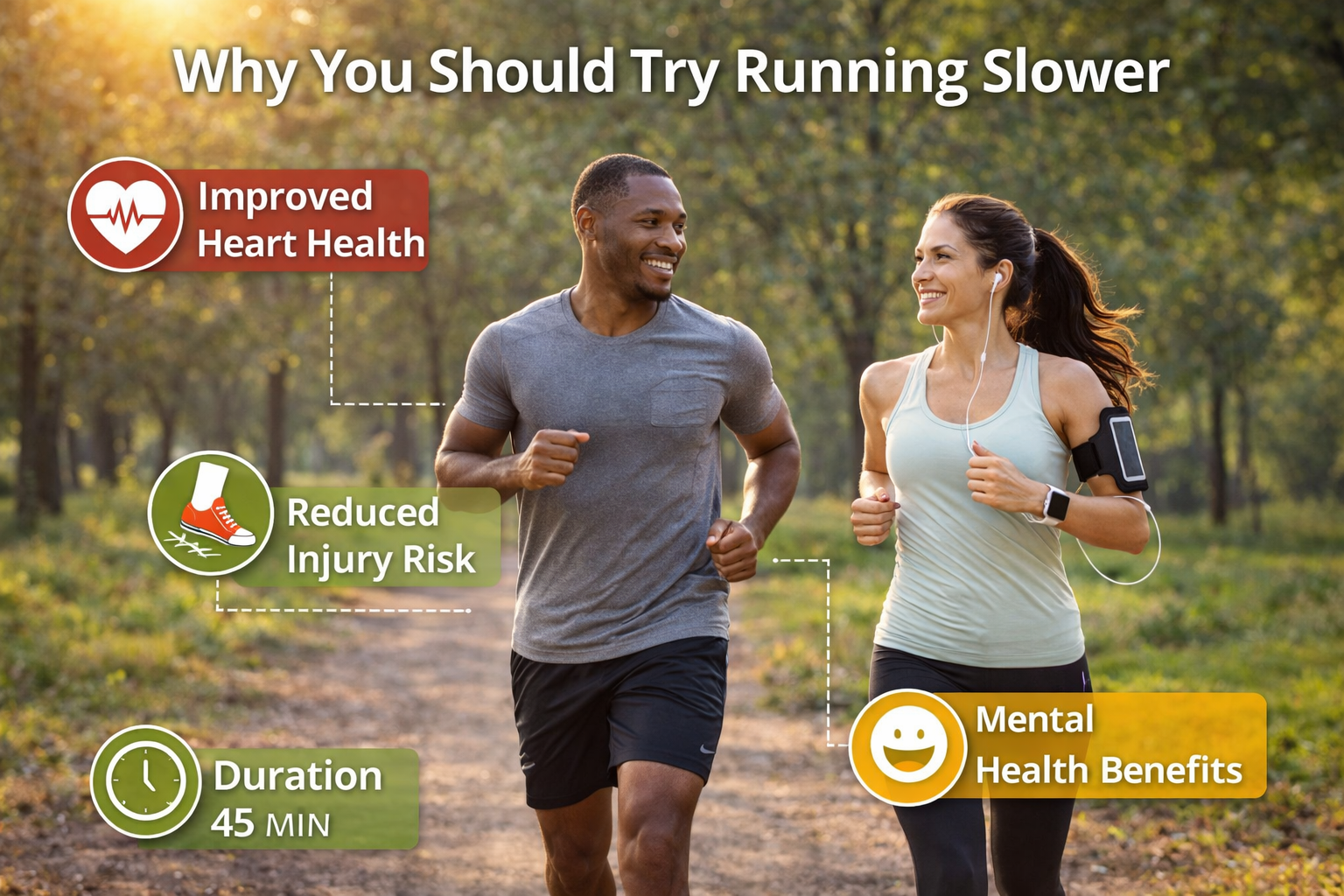
Many people believe that the faster they run, the healthier they become. However, recent research and fitness experts suggest the opposite. In fact, why running slower is actually better for your health has become an important topic in the fitness world.
Running slower may seem less intense, but it offers several surprising benefits for your body and mind. From improving heart health to reducing injuries, slow running can be a powerful strategy for maintaining long-term fitness.
In this article, we will explore why running slower is actually better for your health and how it can transform your running routine.
The Myth That Faster Running Is Always Better
For years, runners have believed that pushing harder and running faster leads to better results. While speed training does have its place, constantly running at high intensity can stress the body.
High-speed running can cause:
- Increased injury risk
- Muscle fatigue
- Joint strain
- Burnout
Professional athletes balance intense workouts with slow endurance runs. This balanced approach allows the body to recover and build strength over time.
Understanding this concept helps explain why running slower is actually better for your health.
Understanding the Concept of Slow Running
Slow running, sometimes called low-intensity running, involves running at a pace where you can comfortably maintain a conversation.
This pace typically falls within Zone 2 heart rate training, which means your heart is working efficiently without excessive strain.
Key characteristics of slow running include:
- Comfortable breathing
- Stea dy rhythm
- Sustainable pace
- Lower heart rate
This style of running helps build a strong aerobic base, which is essential for overall fitness.

How Slow Running Improves Heart Health
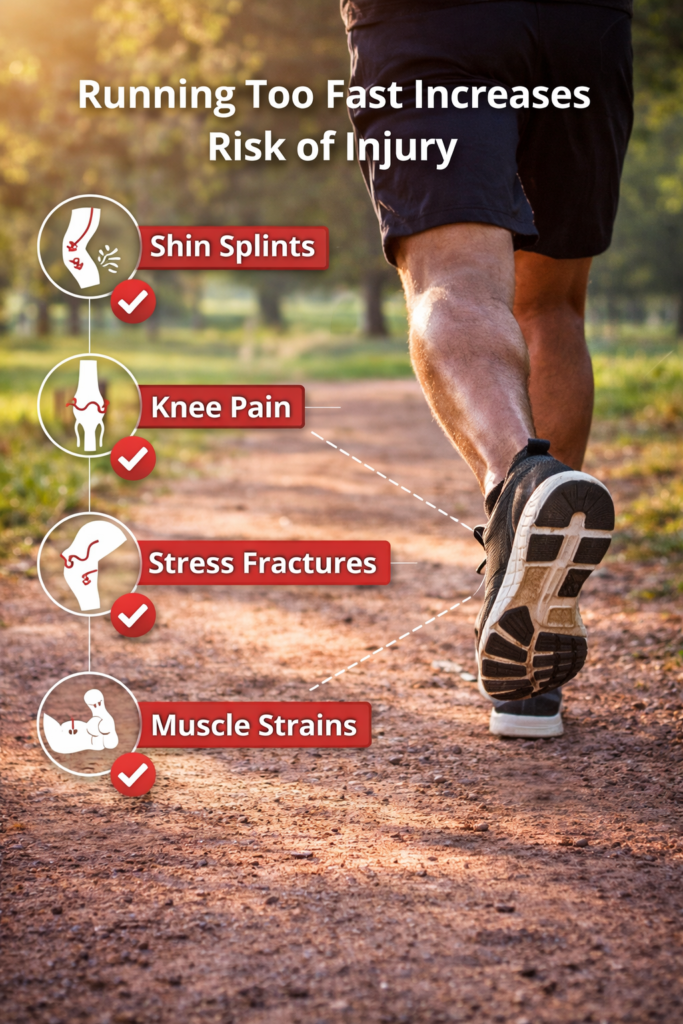
One of the most important reasons why running slower is actually better for your health is its positive effect on cardiovascular health.
When you run at a slower pace:
- Your heart pumps blood more efficiently
- Oxygen delivery improves
- Blood pressure can stabilize
Over time, slow running strengthens the heart muscle and improves circulation.
Many cardiologists recommend moderate-intensity exercise because it promotes long-term heart health without excessive stress on the body.
Reduced Risk of Injury
Injuries are one of the most common problems runners face.
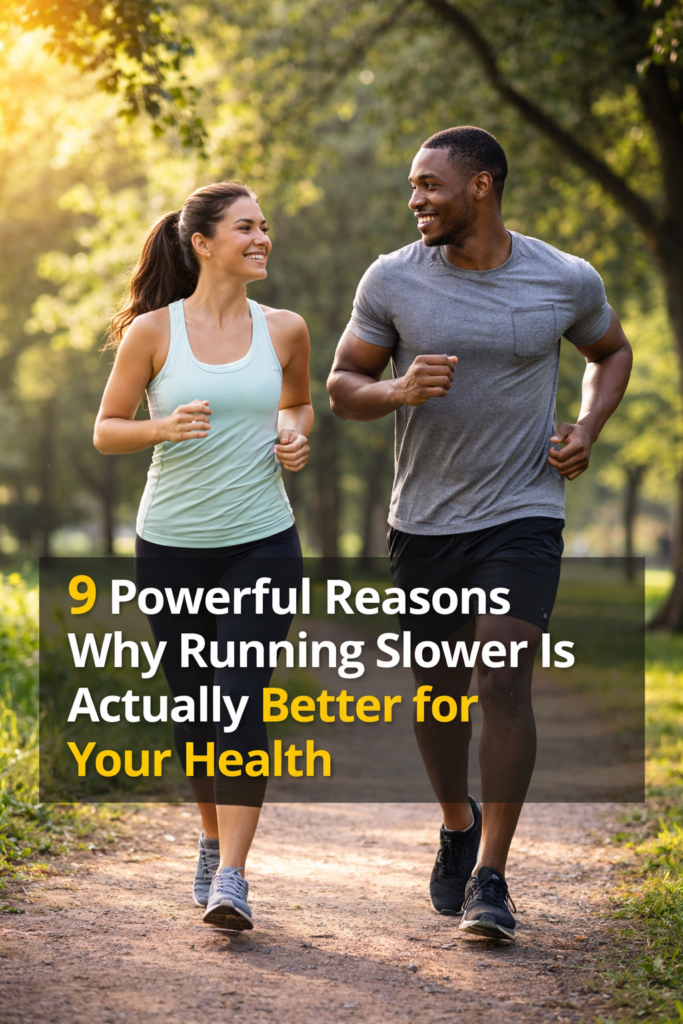
Running too fast or too frequently can lead to injuries such as:
- Shin splints
- Knee pain
- Stress fractures
- Muscle strains
Running slower reduces the impact on joints and muscles.
Because the body experiences less stress, runners can maintain consistent training without frequent injuries. This is another important reason why running slower is actually better for your health.
Better Fat Burning and Weight Management
Slow running can also help improve fat metabolism.
At lower intensities, the body uses fat as its primary fuel source rather than carbohydrates.
This means slow running can:
- Improve metabolic efficiency
- Support healthy weight loss
- Increase endurance
Many long-distance athletes rely on slow running to train their bodies to burn fat efficiently.
Improved Endurance and Stamina
Endurance is built through consistent aerobic training.
Running slower allows the body to develop stronger:
- Heart capacity
- Lung efficiency
- Muscle endurance
Over time, runners who train at slower speeds often find they can run longer distances without fatigue.
Ironically, running slower can actually help runners become faster in the long term.
Mental Health Benefits of Running Slower
Running is not only beneficial for physical health but also for mental well-being.
Slow running provides a relaxing and enjoyable experience.
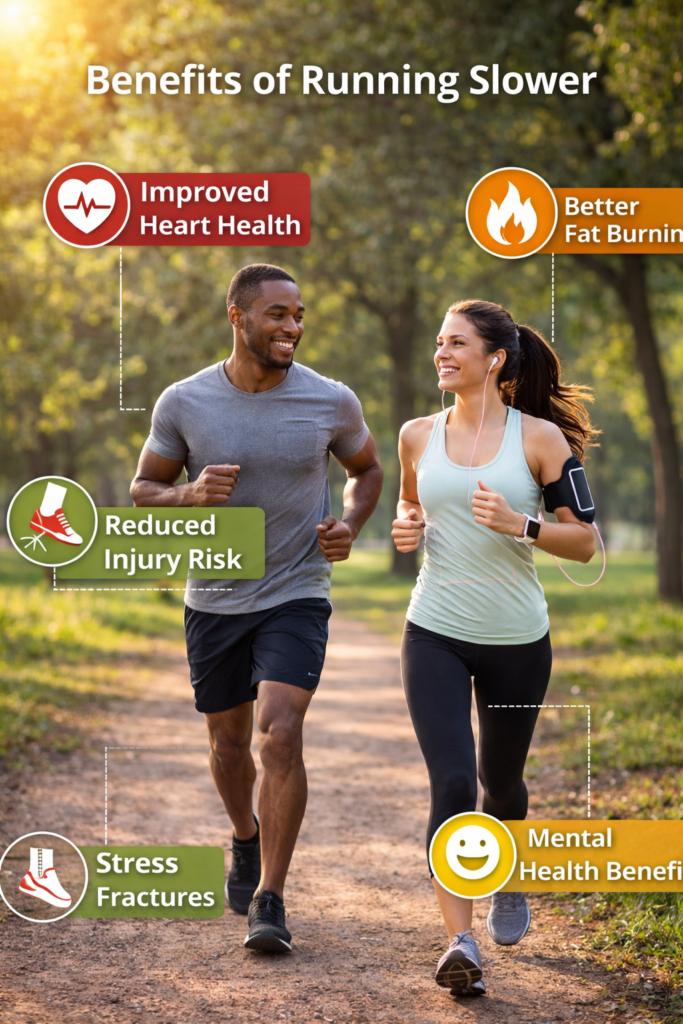
Benefits include:
- Reduced stress levels
- Improved mood
- Increased mental clarity
- Better emotional balance
When running slower, people often become more aware of their surroundings, breathing, and body movements.
This mindful experience contributes to better mental health.
How Slow Running Supports Long-Term Fitness
One of the biggest advantages of slow running is sustainability.
High-intensity workouts are difficult to maintain every day. In contrast, slow running allows people to stay active without overtraining.
This helps runners:
- Maintain consistent routines
- Avoid burnout
- Build lasting habits
This long-term approach is one of the strongest arguments for why running slower is actually better for your health.
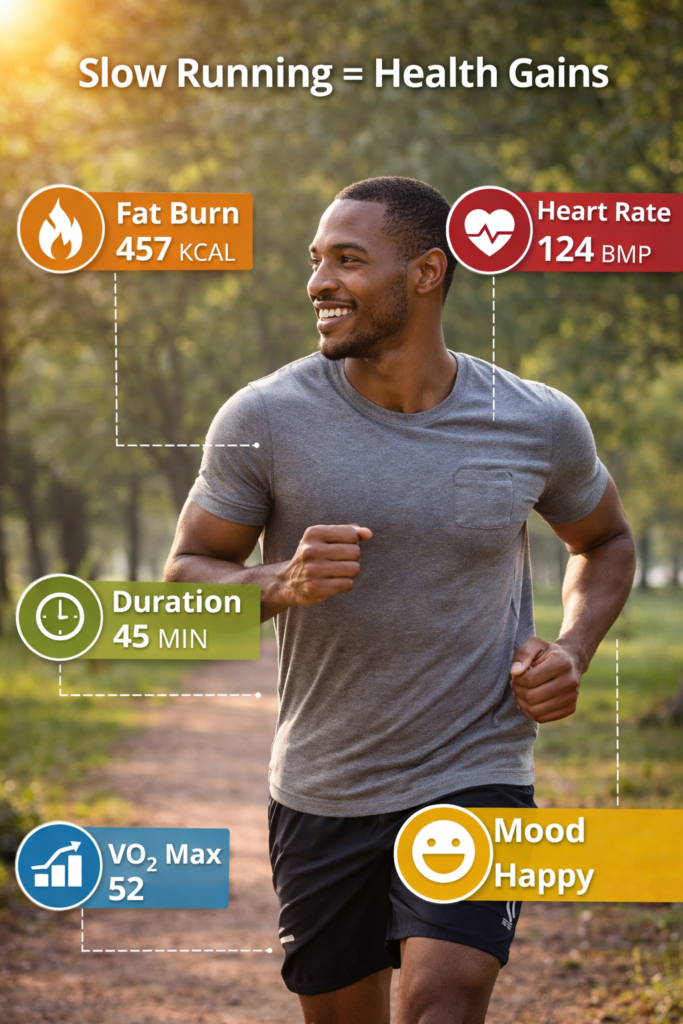
Scientific Research Supporting Slow Running
Sports scientists have conducted several studies on the benefits of low-intensity training.
Research shows that many elite endurance athletes spend about 70–80% of their training at low intensity.
This method is often called polarized training.
The results show that slow running improves:
- Aerobic capacity
- Recovery ability
- Athletic performance
These findings confirm that slow running is a scientifically supported training strategy.
How to Practice Slow Running Correctly
To experience the benefits of slow running, it’s important to follow proper techniques.
Maintain a Comfortable Pace
You should be able to speak full sentences without gasping for air.
Monitor Your Heart Rate
Keep your heart rate within a moderate zone.
Focus on Consistency
Regular slow runs are more beneficial than occasional intense workouts.
Common Mistakes Runners Make
Many runners struggle with slow running because they feel they are not working hard enough.
Some common mistakes include:
- Running too fast during easy runs
- Ignoring recovery days
- Comparing pace with other runners
Remember that slow running is about efficiency and sustainability, not speed.
Who Should Try Slow Running
Slow running is suitable for almost everyone.
It is especially helpful for:
- Beginners starting their fitness journey
- Older adults
- People recovering from injuries
- Long-distance runners
Because of its low impact, slow running can be adapted to different fitness levels.
Tips to Get Started With Slow Running
If you want to incorporate slow running into your routine, follow these tips:
Start Gradually
Begin with short runs at a comfortable pace.
Track Your Progress
Use fitness apps or watches to monitor heart rate and distance.
Stay Consistent
Consistency is more important than speed.
Listen to Your Body
Rest when needed to avoid fatigue.
Conclusion
Understanding why running slower is actually better for your health can transform the way people approach fitness.
Instead of pushing the body to its limits every day, slow running encourages balance, endurance, and sustainability.
From improving heart health to reducing injuries and supporting mental well-being, slow running offers numerous benefits.
By adopting this approach, runners can enjoy long-term fitness while protecting their bodies from unnecessary stress.
Sometimes, slowing down is the smartest way to move forward.
FAQs
Q1. Is running slower really better for beginners?
Yes. Slow running allows beginners to build endurance gradually while reducing the risk of injury.
Q2. Can slow running help with weight loss?
Yes. Slow running encourages fat burning and improves metabolism.
Q3. How slow should I run?
A good rule is to run at a pace where you can comfortably hold a conversation.